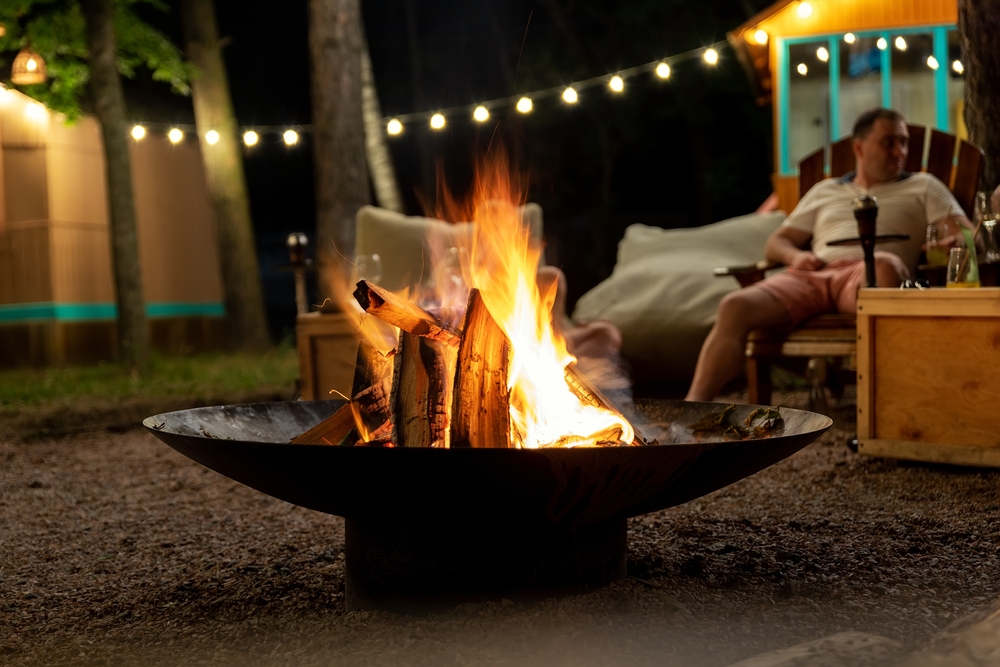
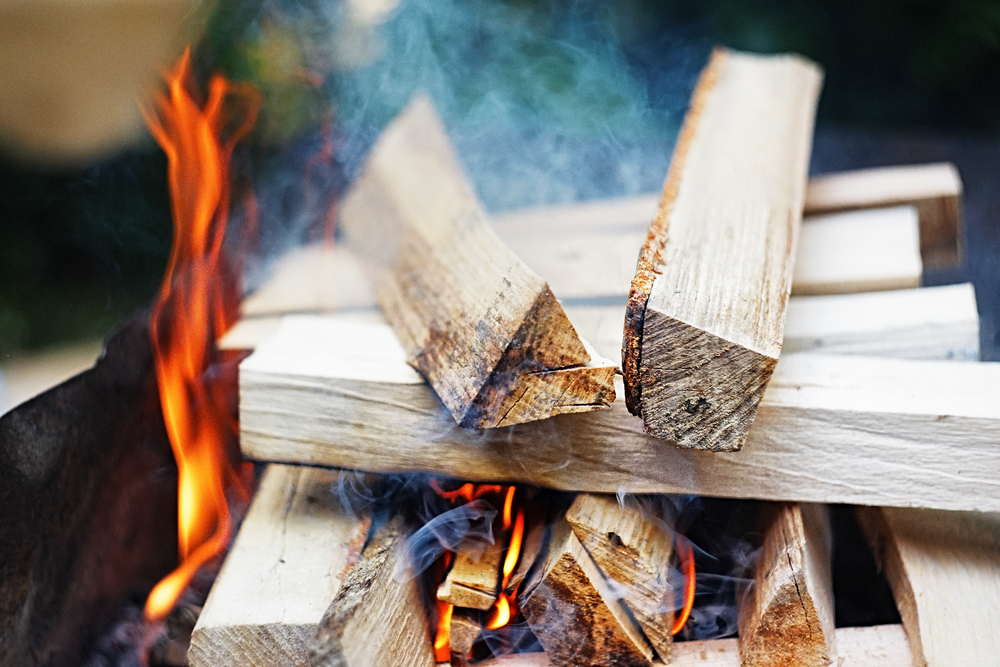
Nothing beats the warmth and aroma of a piñon pine fire on a chilly West Texas evening. Whether you’re relaxing after a windy day in Midland, hosting friends in Odessa, or enjoying a quiet night in Big Spring, properly stacked and stored firewood helps every fire burn cleaner, safer, and more efficiently.
Quick Answer
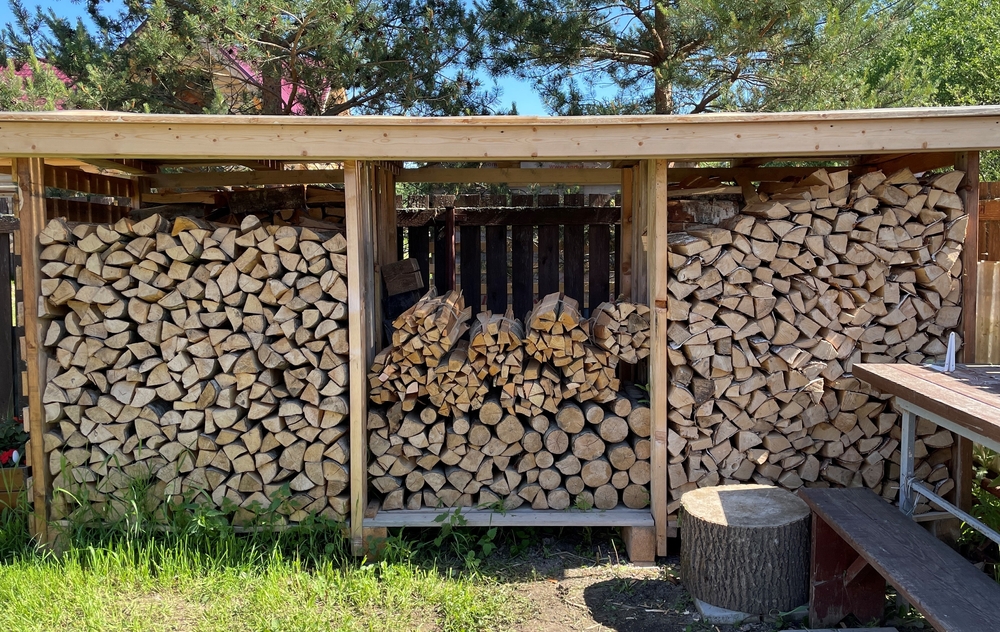
The safest way to stack and store piñon pine firewood is to keep it elevated off the ground, stacked loosely for airflow, protected from rain with a cover on the top only, and stored several feet away from your home. In West Texas, where dry conditions, strong winds, and occasional winter moisture all play a role, proper storage helps preserve the wood’s quality while reducing safety risks.
What West Texas Homeowners Should Know
Keep firewood at least 20 feet away from your home whenever possible to discourage insects and reduce fire risk.
Elevate your stack on pallets, treated runners, or a firewood rack to improve airflow and prevent ground moisture from affecting the wood.
Cover only the top of the stack so West Texas winds can continue drying the sides.
Piñon pine burns best when it stays dry and well ventilated, making proper storage especially important during changing winter weather.
Residents throughout Midland, Odessa, Big Spring, Andrews, and surrounding communities often benefit from preparing their firewood supply before the coldest temperatures arrive.
Why Proper Firewood Storage Matters in West Texas
Proper firewood storage keeps piñon pine dry, easy to light, and ready for consistent heat throughout winter. Although West Texas is known for its dry climate, occasional rain, winter cold fronts, and strong winds can quickly affect exposed firewood.
The Permian Basin experiences frequent wind events that can blow debris into loosely stacked wood piles or topple unstable stacks. Dust can also settle into improperly stored firewood, making organization and airflow even more valuable.
Freedom Firewood helps homeowners throughout West Texas enjoy premium firewood, and we always encourage storing it correctly so every bundle performs as intended.
Local Field Observations
Based on our experience serving homeowners across the Permian Basin, improperly stored firewood often develops problems long before winter is over. Common issues include:
Wood stacked directly on bare soil absorbing moisture after rain.
Plastic tarps wrapped completely around the stack, trapping condensation.
Unstable piles that lean after repeated wind events.
Firewood stored directly against fences or exterior walls where airflow is limited.
Homeowners waiting until freezing weather arrives before organizing their wood supply.
These observations reflect common storage habits we see throughout the region rather than published research.
How Proper Storage Improves Your Fires
Properly stored piñon pine offers several benefits for West Texas homeowners.
Dry wood ignites faster and produces more consistent heat.
Better airflow during storage helps preserve the wood’s natural aroma that many people enjoy.
Cleaner-burning firewood generally creates less smoke than damp wood, making outdoor gatherings and indoor fireplace use more enjoyable.
Keeping stacks organized also makes winter access easier when temperatures drop or windy conditions develop.
Warning Signs Your Firewood Is Not Stored Correctly
Watch for these common warning signs:
Wood feels damp or unusually heavy.
Visible mold or mildew appears between logs.
The stack leans or shifts after windy weather.
Insects or rodents begin nesting inside the pile.
Bark separates excessively due to moisture problems.
Wood develops a musty smell instead of its natural pine scent.
Logs are difficult to ignite despite using proper fire-starting techniques.
When You Should Reorganize or Replace Stored Firewood
You can safely inspect your own firewood pile, but some situations deserve immediate attention.
If a stack becomes unstable, rebuild it before someone gets hurt.
If moisture has affected a large portion of the pile, separate the dry pieces from the damp ones and allow additional drying time whenever possible.
If insect activity becomes significant, move the stack farther from your home and avoid bringing affected wood indoors until you’re ready to burn it.
Common Causes of Firewood Storage Problems in West Texas
1. Ground Moisture
Even in a dry climate, soil can transfer moisture into the bottom layer of firewood after rainfall.
2. Poor Airflow
Stacks placed tightly against walls or wrapped completely in plastic cannot dry efficiently.
3. Strong Regional Winds
High winds common across Midland County, Ector County, and nearby areas can destabilize poorly built stacks.
4. Delayed Winter Preparation
Waiting until the first cold front arrives often means scrambling to organize firewood during less favorable weather.
Prevention and Seasonal Maintenance Tips
Proper firewood storage is simple with a few good habits.
Stack wood in straight, stable rows.
Leave small gaps between logs for ventilation.
Elevate the stack several inches off the ground.
Cover only the top surface with a breathable cover.
Inspect the stack after major wind events.
Rotate older wood toward the front so it gets burned first.
Keep the storage area clear of weeds and debris.
Preparing your wood before late fall allows plenty of time to organize everything before winter temperatures settle across West Texas.
What You Can Expect from Properly Stored Piñon Pine
When stored correctly, piñon pine remains dry, lights easily, and produces the pleasant crackling fire many homeowners look forward to during colder months.
Proper storage also makes handling firewood easier throughout the season since stacks remain organized and accessible.
While no storage method completely eliminates weather exposure outdoors, following these best practices helps preserve wood quality for the season.
Common Firewood Storage Mistakes
Mistake: Wrapping the entire stack in plastic.
Consequence: Moisture becomes trapped inside, increasing the chance of mold.
Better Approach: Cover only the top while leaving the sides open for ventilation.
Mistake: Stacking directly on dirt.
Consequence: Bottom logs absorb moisture and may deteriorate faster.
Better Approach: Use pallets, racks, or treated runners.
Mistake: Building overly tall stacks.
Consequence: Wind can cause the pile to collapse.
Better Approach: Build lower, stable rows with a solid base.
Common Local Scenario
A homeowner in the Midland area purchases firewood early in the season but leaves it stacked directly on the driveway under a fully wrapped tarp. After several weeks of changing temperatures and a few rainy days, the wood develops excess moisture despite the dry climate.
By rebuilding the stack on pallets, removing the side coverings, and allowing natural airflow, the remaining firewood dries more effectively and burns much better throughout winter.
Related Firewood Solutions
Choosing quality firewood is only part of the equation. Proper delivery, stacking guidance, and selecting the right wood species all contribute to a better burning experience.
Whether you’re preparing for outdoor gatherings, backyard fire pits, indoor fireplaces, or holiday entertaining, having clean, properly stored piñon pine helps you enjoy every fire.
Works well with proper planning and a suitable storage area.
Helps homeowners understand the best placement for delivered firewood.
Requires stable stacking techniques.
Offers recommendations based on available space and accessibility.
Needs routine inspections after storms or wind events.
Starts with quality firewood that is ready for proper storage.
Serving West Texas Communities
We proudly serve homeowners throughout Midland, Odessa, Big Spring, Andrews, and surrounding West Texas communities. Our goal is to provide quality firewood along with practical advice that helps customers enjoy safe, efficient fires all winter long.
The Cost of Ignoring Proper Firewood Storage
Poor storage can reduce burn quality, increase wasted wood, create unnecessary cleanup, and make winter fires more frustrating than enjoyable.
Taking a little time to stack and protect your firewood properly helps preserve its quality throughout the heating season.
How should I stack piñon pine firewood in Midland?
The best way is to stack it off the ground in straight rows with space between the logs for airflow. Midland’s windy conditions also make stable stacking especially important.
Can I store firewood outside during a West Texas winter?
Yes. Outdoor storage works well as long as the wood stays elevated, ventilated, and protected from rain on the top only.
Should I cover my firewood completely?
No. Completely wrapping firewood traps moisture. Cover only the top while allowing the sides to remain open.
How far should firewood be from my house?
A good rule is to keep firewood about 20 feet from your home whenever practical. This helps reduce insect concerns and improves overall safety.
Does piñon pine need seasoning?
Most properly prepared piñon pine is ready to burn when purchased from a reputable supplier, but keeping it dry after delivery remains important.
Is firewood storage different in Odessa than other parts of West Texas?
The same basic storage practices apply. Odessa experiences similar dry conditions, occasional winter precipitation, and strong winds that make airflow and stable stacking essential.
Enjoy Better Fires All Winter
A little preparation goes a long way toward keeping your piñon pine firewood dry, organized, and ready whenever temperatures drop across West Texas. Proper storage protects your investment while helping every fire burn more efficiently.
Keep Your Firewood Ready for Every Cold Night
Enjoy cleaner-burning, better-performing piñon pine all winter with proper storage and quality firewood you can count on.
There is nothing quite like gathering around a fire pit on a cool West Texas evening. Whether you are entertaining friends, relaxing after a long day, or enjoying the wide-open skies across Midland, Odessa, Big Spring, or San Angelo, the quality of your fire depends on more than just lighting a match. The type of firewood you choose plays a major role in how long your fire lasts, how much heat it produces, and how much cleanup you will have afterward.
Quick Answer
Hardwood density directly affects how efficiently firewood burns. Dense hardwoods contain more energy per piece, which means they burn hotter, last longer, produce steadier coals, and typically create less smoke when properly seasoned. For homeowners and outdoor enthusiasts across West Texas, choosing dense hardwood firewood can make every fire pit experience more enjoyable and efficient.
What West Texas Fire Pit Owners Should Know
Dense hardwoods provide longer-lasting fires, reducing the need to constantly add more wood.
Properly seasoned hardwood produces less smoke, which is especially helpful during calm evenings common across the Permian Basin.
West Texas winds can make maintaining a fire more challenging, so longer-burning hardwoods offer better consistency.
Hardwood creates a stable bed of coals that is ideal for outdoor cooking, roasting marshmallows, or simply extending your evening outdoors.
Selecting quality firewood helps reduce excess ash and makes cleanup much easier after your gathering.
Why Hardwood Density Matters in West Texas
Hardwood density matters because it determines how much energy is stored within each log. Trees that grow slowly develop tighter wood fibers, allowing them to produce more heat over a longer period compared to softer woods.
In West Texas, outdoor living is part of the lifestyle for much of the year. Even during cooler months, residents throughout Midland County, Ector County, Martin County, Andrews, and Stanton enjoy backyard fire pits for family gatherings and outdoor entertaining. Choosing the right firewood helps create a comfortable fire that stands up to changing temperatures and occasional breezy conditions.
At Freedom Firewood, we understand that not all firewood performs the same. We focus on providing quality firewood that helps our customers enjoy cleaner, longer-lasting fires throughout the region.
Understanding Hardwood Density
Hardwood density refers to how much solid wood exists within a given volume. Dense hardwood species contain tightly packed fibers, allowing them to release more heat over a longer burn.
Generally speaking, denser hardwoods offer several advantages:
Longer burn times
Higher heat output
More consistent flames
Better coal production
Less frequent refueling
Softwoods tend to ignite quickly but burn much faster. While they may be useful for starting a fire, they are often less effective for maintaining a comfortable fire pit throughout the evening.
Professional Field Observation
From years of serving customers throughout West Texas, one of the most common observations is that people often assume all firewood performs similarly. In reality, homeowners quickly notice the difference once they experience properly seasoned dense hardwood. Fires require less attention, produce more consistent heat, and leave behind fewer partially burned logs.
How Hardwood Density Impacts Your Fire Pit Experience
Dense hardwood affects nearly every aspect of your outdoor fire.
Longer Burn Time
Because dense wood contains more combustible material, each log burns more slowly. This allows you to spend more time enjoying the fire instead of constantly adding more wood.
Greater Heat Output
Dense hardwood releases more stored energy as it burns. This produces stronger radiant heat, making outdoor gatherings more comfortable during chilly West Texas evenings.
Better Coal Bed
High-density hardwood produces long-lasting coals that continue generating heat even after visible flames have diminished. This makes hardwood an excellent choice for outdoor cooking or extended fires.
Cleaner Burning
When hardwood has been properly seasoned, it burns more completely. That means less smoke, less excess moisture, and less ash compared to green or poorly seasoned wood.
Warning Signs You May Be Using Low-Quality Firewood
Several signs indicate your firewood may not be providing the performance you expect.
The fire requires constant refueling.
Thick smoke continues long after the fire is established.
Logs hiss or steam while burning.
Very little heat reaches people sitting around the fire.
The fire struggles to stay lit.
Large amounts of ash remain after the fire burns out.
Logs appear damp or unusually heavy.
These symptoms often point to lower-density wood, improperly seasoned wood, or excessive moisture content.
Common Causes of Poor Fire Performance
Several factors affect how well firewood burns in West Texas.
Wet or Unseasoned Wood
Fresh-cut wood contains significant moisture. Much of the fire’s energy is spent evaporating water instead of producing heat.
Lower Density Wood
Less dense wood naturally burns more quickly and generates less lasting heat.
Improper Storage
Even quality hardwood can absorb moisture if left uncovered or stored directly on the ground.
Wind Exposure
West Texas is known for windy conditions. Wind can increase burn rates, making dense hardwood especially valuable because it provides greater stability throughout the fire.
Prevention and Maintenance
A few simple habits help maximize every fire pit experience.
Store firewood off the ground.
Keep wood covered while allowing airflow.
Use dry kindling to start the fire.
Begin with smaller pieces before adding larger hardwood logs.
Remove excess ash between fires to improve airflow.
Rotate older firewood to the front of your storage pile.
Proper storage helps preserve the quality of dense hardwood and ensures it remains ready to burn whenever you need it.
What Results Should You Expect?
Choosing dense, seasoned hardwood typically results in:
Longer fires with fewer logs
Steadier heat throughout the evening
Reduced smoke once the fire is established
Better cooking coals
Less cleanup afterward
A more enjoyable outdoor gathering overall
While every fire varies depending on weather conditions and fire pit design, quality hardwood consistently improves performance.
Common Mistakes
Mistake: Buying Firewood Based Only on Price
Consequence: Lower-cost wood may burn much faster, requiring more wood over the course of the evening.
Better Approach: Consider overall burn time and heat output rather than the initial purchase price alone.
Mistake: Burning Fresh-Cut Wood
Consequence: Wet wood creates more smoke and less usable heat.
Better Approach: Choose properly seasoned firewood that has had sufficient time to dry.
Mistake: Overloading the Fire Pit
Consequence: Too much wood reduces airflow and can create excessive smoke.
Better Approach: Build the fire gradually, allowing each layer to burn efficiently.
Common West Texas Scenario
A family in the Midland-Odessa area plans a backyard gathering during a cool fall weekend. They begin with dry kindling and add dense, seasoned hardwood. Instead of continually feeding the fire throughout the evening, the fire burns steadily for hours, providing comfortable warmth while creating an excellent bed of coals for roasting food and enjoying conversation.
Related Firewood Solutions
Different outdoor activities benefit from different firewood characteristics.
Fire pit wood for relaxing backyard evenings
Cooking firewood that creates long-lasting coals
Fireplace firewood for indoor heating
Bulk firewood deliveries for homeowners preparing for cooler weather
More smoke, less heat, difficult to burn efficiently
Service Areas
We proudly serve customers throughout West Texas, including Midland, Odessa, Big Spring, Stanton, Andrews, and surrounding communities across the Permian Basin. Whether you are preparing for backyard entertaining or stocking up for cooler weather, quality firewood makes every fire more enjoyable.
The Cost of Ignoring Firewood Quality
Choosing poor-quality firewood can lead to shorter fires, more smoke, increased cleanup, and greater overall wood consumption. Investing in properly seasoned dense hardwood often provides a better experience while helping you use fewer logs throughout the evening.
Dense hardwood contains tightly packed wood fibers that store more energy. This allows each log to burn more slowly while producing steady heat over a longer period.
Is hardwood better for fire pits in Midland?
Yes. Hardwood is well suited for Midland because longer burn times help maintain comfortable fires despite the area’s occasional breezy conditions.
Does hardwood create less smoke?
Yes, properly seasoned hardwood generally produces less smoke because it contains less moisture and burns more completely than freshly cut wood.
How should I store firewood in West Texas?
Store firewood off the ground with good airflow and protection from rain. Proper storage helps maintain dryness despite changing weather conditions across West Texas.
Why are long-lasting coals important?
Long-lasting coals provide steady heat even after flames decrease. This makes outdoor cooking easier and allows fire pit gatherings to continue comfortably.
How can I tell if firewood is seasoned?
Seasoned firewood is typically lighter than freshly cut wood, has visible cracks on the ends, and produces a solid sound when two pieces are struck together.
Enjoy Better Fires Throughout West Texas
Understanding hardwood density helps you make smarter firewood choices that improve every outdoor gathering. Longer burn times, stronger heat, cleaner combustion, and better coals all begin with selecting quality firewood that is properly seasoned and ready to perform.
Build Longer-Lasting Fires with Quality Firewood
The right firewood helps create warmer evenings, easier entertaining, and less time tending the fire.
Summer evenings on the patio are one of life’s simple pleasures, but mosquitoes have a way of turning a relaxing cookout into an itchy nightmare. If you live somewhere warm and humid, or even in drier climates like Lubbock where standing water after a storm can bring out swarms fast, finding a reliable outdoor dining mosquito solution is practically a seasonal necessity.
What if the secret to a more comfortable patio was already sitting in your firewood stack? Certain cooking woods do double duty: they add incredible flavor to your food while releasing smoke that naturally deters insects.
Here is what you need to know before your next backyard cookout.
Why Smoke Works as a Natural Mosquito Repellent
Before diving into specific wood types, it helps to understand why smoke works at all. Mosquitoes rely heavily on their sense of smell to locate targets. They track carbon dioxide, body heat, and skin odor to zero in on a meal. Smoke disrupts those sensory signals by masking the very cues mosquitoes use to find you. It also physically irritates their respiratory systems and makes it difficult for them to fly with precision in a smoky environment.
This is why burning wood to deter bugs has been a folk practice for centuries across cultures worldwide. The key is choosing wood that produces a thick, fragrant smoke that lingers at patio level rather than shooting straight up and disappearing. Not every wood does this equally well, and some varieties bring added chemical compounds that mosquitoes and other biting insects find genuinely repellent, not just disorienting.
Pinon: The Gold Standard for Patio Pest Control
If you have spent time in the American Southwest, you already know the smell of pinon wood burning in a chiminea or fire pit. That rich, resinous, almost sweet aroma is one of the most beloved scents in outdoor living, but mosquitoes and other bugs absolutely hate it. Pinon pine, native to the higher elevations of New Mexico, Colorado, and the surrounding region, contains natural resins and terpenes that act as a powerful wood insect repellent when burned.
The smoke from pinon is thick and aromatic, and it spreads wide across a patio space rather than dissipating quickly. Many people in the Southwest have used pinon firewood as a go-to patio pest control method for generations, often without even thinking of it as a pest deterrent. They burn it because it smells amazing and keeps the outdoor space comfortable. The insect-repelling quality is a welcome bonus that comes built in.
Pinon is widely available in the Southwest and increasingly easy to find online for people outside the region. If you are in Lubbock or anywhere in West Texas, you are ideally situated to get fresh pinon wood from nearby New Mexico without much hassle. For backyard cooking, pinon adds a mild, pleasant smoke flavor to meats, particularly pork and chicken, making it genuinely useful beyond just keeping bugs at bay.
Cedar and Citronella Wood: Fragrant and Functional
Cedar is another natural mosquito repellent wood with a long history of practical use. The oils in cedar, particularly in Eastern red cedar and Western red cedar, contain compounds that insects find deeply unpleasant. When cedar burns, those aromatic oils volatilize into the smoke and create an airborne barrier that mosquitoes tend to avoid. Cedar has been used in closets and storage chests for centuries specifically because insects dislike it, and that same property translates to the fire pit.
For outdoor cooking purposes, cedar planks are already a classic technique for grilling salmon and other fish. The smoke infuses the food with a mild, woodsy flavor while simultaneously doing your patio pest control work for you. Keep in mind that cedar burns hot and fast, so you may want to mix it with slower-burning hardwoods for a sustained fire that keeps mosquitoes at bay throughout a longer meal.
Citronella wood is perhaps the most famous natural mosquito repellent wood in the consumer market. Most people know citronella from candles and torches, but the wood itself, when burned, releases the same citronella oil compounds that repel mosquitoes. The effect is potent and fairly immediate. Citronella wood chips and logs are available at many garden centers and outdoor retailers, and they can be added directly to a fire pit or smoker to boost your outdoor dining mosquito solution without adding any chemical sprays or synthetic products.
Apple, Cherry, and Other Fruit Woods With Bug-Repelling Properties
Fruit woods like apple and cherry are beloved among competitive pitmasters for the sweet, mild smoke they produce, but they also carry secondary benefits as a wood insect repellent. The natural sugars and aromatic compounds in fruit woods produce a fragrant smoke that mosquitoes and gnats find less hospitable than clean air. While fruit woods are not as dramatically repellent as pinon or citronella wood, they contribute meaningfully to an insect-unfriendly environment when burned in quantity.
Apple wood in particular produces a sweet, dense smoke that sits low and spreads across a cooking area. It pairs beautifully with pork, poultry, and even some vegetables. Cherry wood burns similarly and adds a slightly darker, richer smoke profile to food. Both are excellent summer patio tips for cooks who want flavor and function from the same fire. Layering fruit woods over a base of cedar or mixing in some pinon will give you a well-rounded smoke that handles both your BBQ flavoring needs and your bug deterrence goals at the same time.
How to Maximize the Mosquito-Repelling Effect of Your Cooking Fire
Choosing the right wood is only part of the equation. How you build and manage your fire matters just as much for effective burning wood to deter bugs. A fire that burns too hot and clean will produce minimal smoke, which reduces the repellent effect even if you are using the best mosquito-deterring wood available. You want a smoldering, fragrant fire that produces consistent, visible smoke at the level where people are sitting.
One approach is to let your fire build up a good coal base first, then add your aromatic wood on top so it smolders rather than blazes. Keeping your fire at a moderate temperature produces more of the resinous, fragrant smoke that drives mosquitoes away. You can also add wood chips directly to a gas grill by using a smoker box, which lets you enjoy the insect-repelling benefits of aromatic woods even if you prefer cooking with gas.
Wind direction is also worth considering for your summer patio tips. Position your guests upwind of the fire so that smoke drifts across the seating area rather than away from it. A slight, steady smoke presence is far more effective than occasional gusts. Adding a few citronella candles around the perimeter of your patio while the fire burns creates overlapping layers of protection that make your outdoor dining mosquito solution genuinely robust.
If you are in a climate like Lubbock where summer evenings can be warm and still, smoke tends to hang in the air longer and spread more evenly, which actually works in your favor. Take advantage of those calm evenings by starting your fire about 20 to 30 minutes before guests arrive so the smoke has time to establish itself across the patio.
Conclusion
You do not need chemical sprays or expensive gadgets to keep mosquitoes away from your patio. Natural mosquito repellent wood options like pinon, cedar, citronella wood, and fruit woods offer a practical and enjoyable patio pest control solution that also improves your cooking. By choosing the right woods and managing your fire thoughtfully, you can turn every backyard cookout into a comfortable, bug-free experience from the first spark to the last bite.
Need Firewood in Lubbock, TX?
Here at Freedom Firewood in Lubbock, Texas, we take pride in offering a diverse selection of premium, fully seasoned, and ready-to-burn firewood to meet all your needs. Whether you’re looking for oak, hickory, mesquite, pecan, New Mexico pine, pinion pine, or a mixed variety, we have you covered. From one cord to a quarter cord, apartment stacks, and even convenient pre-bagged firewood, we provide the right quantity for you. Plus, with our local and long-distance delivery services, getting your firewood has never been easier. Contact us today to experience the warmth and quality of Freedom Firewood!
The Fourth of July is more than a holiday. It is a full-sensory celebration of summer, community, and the kind of food that only an open fire can produce. If you are planning to step up your backyard game this year, grilling with firewood logs is the move that separates a forgettable cookout from one people talk about until Labor Day.
Whether you are a seasoned pitmaster or firing up your first wood-fed grill, understanding the essential rules of outdoor wood-fired grilling will make all the difference on the big day.
1. Choose the Right Wood for the Job
Not all wood burns the same, and not all smoke tastes the same. This is the first and most important rule of grilling with firewood logs. The species of wood you choose will directly influence the flavor profile of everything on your grate, from brisket to corn on the cob.
Hardwoods are always the right call for cooking. Softwoods like pine, cedar, and fir contain resins and sap that produce harsh, bitter smoke and can even introduce harmful compounds into your food. Hardwoods burn cleaner, hotter, and longer, giving you the kind of steady fire you need for a long Fourth of July cook.
Among hardwoods, premium pecan grilling wood stands out as a regional favorite, especially in the South and Southwest. Pecan delivers a mild, nutty, slightly sweet smoke that works beautifully with pork ribs, whole chickens, and beef. It is not as aggressive as mesquite and not as subtle as apple, which makes it an ideal all-purpose wood for a holiday cookout where you might be grilling multiple proteins at once. If you are in or around Lubbock, TX, pecan is practically a local tradition, and sourcing quality bagged cooking wood from a reputable local supplier means you are getting wood that is properly seasoned and ready to use.
Oak is another excellent choice for long cooks. It burns reliably and produces a medium-strength smoke that pairs well with beef and lamb. Hickory brings bold, bacon-like flavor that works well with pork. Fruit woods like apple and cherry add a touch of sweetness and color to poultry and fish. Knowing what you are cooking ahead of time will help you pick the right wood or even blend two species together for a more layered flavor result.
2. Use Properly Seasoned or Kiln-Dried Wood
Green wood, meaning wood that has been recently cut and still holds significant moisture, is one of the most common mistakes backyard grillers make. It produces excessive white smoke, smothers your fire, creates bitter flavors, and makes temperature control nearly impossible. For a Fourth of July cookout where you are likely feeding a crowd, that is a problem you do not want.
Seasoned wood has been left to dry naturally for at least six months to a year. Kiln-dried wood goes through a controlled drying process that removes moisture even more efficiently, resulting in wood that lights faster, burns hotter, and produces cleaner smoke. When you purchase bagged cooking wood from a quality supplier, kiln-dried options are usually available and clearly labeled. Always check the moisture content if you can. Properly dried firewood logs should have a moisture content below 20 percent for the best grilling results.
Storing your wood correctly in the days leading up to the holiday also matters. Keep it off the ground, protected from rain or morning dew, and stacked with good airflow so it stays dry before you are ready to cook.
3. Build and Manage Your Fire with Intention
Building a fire for grilling is not the same as building a campfire. You are not just trying to create flames. You are trying to build and sustain a reliable, controllable heat source that lets you cook food evenly and with purpose.
Start with a solid base of kindling or a natural fire starter to get your logs going. Avoid using lighter fluid or chemical fire starters, which can leave residue that affects the taste of your food. Once your fire is going, let the logs burn down to a bed of coals before placing food on the grate. Cooking directly over open flames leads to flare-ups and uneven char. Cooking over coals and glowing embers gives you radiant, consistent heat that is far easier to manage.
For outdoor wood-fired grilling on a larger scale, consider building a two-zone fire. Pile most of your coals on one side of the grill to create a hot zone for searing, and leave the other side with fewer coals for indirect cooking and resting. This setup gives you flexibility, especially when you are juggling multiple items with different cooking times during a busy holiday cookout.
Keep a steady supply of pre-lit logs or glowing coals nearby so you can add fuel without smothering your existing fire with cold wood. This is where having a good quantity of bagged cooking wood on hand makes the day go smoothly.
4. Control Temperature and Smoke Throughout the Cook
Temperature management is the skill that separates good grilling from great grilling. On the Fourth of July, when distractions are everywhere and guests are hungry, having a consistent fire is the backbone of a successful cook.
Invest in a reliable grill thermometer if you do not already have one. Ambient grill temperature and surface temperature can differ significantly, and knowing both helps you make smart decisions about when to move food, when to add wood, and when to let the fire settle. Most grilling scenarios call for somewhere between 225 degrees Fahrenheit for low-and-slow barbecue and 450 to 500 degrees Fahrenheit for direct searing.
Smoke management matters just as much as heat. Clean, thin blue smoke is what you want. It adds flavor without overpowering the food. Thick, white, billowing smoke is a sign of incomplete combustion and too much moisture, which leads to bitter, acrid flavors. If you see thick white smoke, check your airflow, give your fire more oxygen, and let your wood burn down further before cooking.
If you are using premium pecan grilling wood or another quality hardwood, you will find that the smoke stays clean and pleasant throughout the cook, which is a big part of why wood selection matters so much from the start.
5. Plan Ahead for a Holiday Cook of This Scale
The Fourth of July is not the day to improvise. A successful outdoor wood-fired grilling session at a large gathering requires real planning, from how much wood you will need to the order in which you will cook each item.
Start by calculating your wood needs in advance. A full day of grilling can burn through more fuel than you expect, especially if you are running a long low-and-slow cook alongside faster items. Having a few extra bags of bagged cooking wood on hand is always the right call. If you are in the Lubbock, TX area, local barbecue supply shops and specialty firewood retailers often stock quality cooking wood that is ready to use.
Think through your cook schedule before the guests arrive. Items like brisket or pork shoulder need many hours over indirect heat. Ribs need moderate time and occasional attention. Burgers, sausages, and vegetables are fast cooks that go on near the end. Mapping out a timeline in advance means you are not scrambling while also trying to host.
Prep your tools, your wood, and your grill space the night before. Clean grates cook better and are easier to manage. A well-organized grilling station means you can focus on the food and enjoy the celebration rather than chasing problems.
Conclusion
Grilling with firewood logs on the Fourth of July is one of the most rewarding ways to celebrate the holiday. From choosing the right wood species like premium pecan grilling wood to mastering fire management and planning your cook from start to finish, every decision you make contributes to the final result on the plate. With quality bagged cooking wood, proper technique, and a little advance preparation, your outdoor wood-fired grilling spread will be the highlight of the summer. Wherever you are firing up the grill this year, these barbecue tips will help make it a Fourth of July worth remembering.
Need Firewood in Lubbock, TX?
Here at Freedom Firewood in Lubbock, Texas, we take pride in offering a diverse selection of premium, fully seasoned, and ready-to-burn firewood to meet all your needs. Whether you’re looking for oak, hickory, mesquite, pecan, New Mexico pine, pinion pine, or a mixed variety, we have you covered. From one cord to a quarter cord, apartment stacks, and even convenient pre-bagged firewood, we provide the right quantity for you. Plus, with our local and long-distance delivery services, getting your firewood has never been easier. Contact us today to experience the warmth and quality of Freedom Firewood!
The Fourth of July is one of the most anticipated outdoor celebrations of the year. Families gather around fire pits, share meals, and enjoy warm summer evenings under a sky full of fireworks. But nothing ruins the mood faster than a smoky fire that stings your eyes and leaves your clothes smelling like a campfire for days. If you are planning to host a Fourth of July outdoor fire pit gathering this year, choosing the right firewood is one of the most important decisions you can make.
The good news is that with a little knowledge, you can enjoy a clean, beautiful fire all night long.
Why Does Firewood Choice Matter for Summer Fires?
Not all firewood burns the same way. Wood that is too wet or improperly seasoned produces thick, heavy smoke because the fire spends its energy burning off excess moisture rather than creating a clean, efficient flame. During a summer celebration like the Fourth of July, the last thing you want is a smoky outdoor fire pit that makes your guests uncomfortable and drives everyone away from the gathering area.
The moisture content of your firewood is the single biggest factor that determines how much smoke your fire produces. Freshly cut or “green” wood can contain up to 50 percent moisture, while properly dried wood typically falls below 20 percent. When moisture content is low, the wood ignites more easily, burns hotter, and releases far less smoke into the air around your patio or backyard. That is why selecting patio-safe firewood with low moisture content is essential for any summer celebration.
Beyond moisture, the species of wood also plays a significant role. Dense hardwoods like oak, hickory, and cherry produce longer-lasting, hotter burns with minimal smoke output. Softwoods like pine tend to burn faster and can produce more creosote and smoke, making them less ideal for a clean-burning Fourth of July outdoor fire pit experience.
What Makes Kiln-Dried Wood the Best Option for Summer?
When it comes to smoke-free firewood, kiln-dried wood for summer fires is widely considered the gold standard. Kiln drying is a controlled process where wood is placed inside a large industrial oven and heated to precise temperatures for an extended period. This removes nearly all of the moisture from the wood in a much more consistent and reliable way than traditional air drying.
Traditional air-seasoned wood can take anywhere from six months to two full years to reach acceptable moisture levels, and even then, the results can vary depending on climate conditions and how the wood was stored. Kiln-dried wood, on the other hand, reaches moisture levels of 15 to 20 percent or lower in a fraction of the time, and the results are consistent from one piece to the next.
For summer outdoor gatherings, kiln-dried wood for summer use offers several practical advantages. It lights faster, which means less time struggling with matches or fire starters when you are trying to keep the party moving. It burns hotter, so you get a more impressive and comfortable fire with less wood. And it produces dramatically less smoke, which is exactly what you need when your guests are seated nearby and enjoying the warm night air. For anyone planning a patio-safe firewood setup this Fourth of July, kiln-dried hardwood is the smartest investment you can make.
How Should You Store Firewood Before Your Fourth of July Party?
Even the best kiln-dried wood can absorb moisture if it is stored improperly. If you purchase your firewood weeks in advance, taking a few simple steps to protect it from humidity and rainfall will ensure it burns as cleanly as possible when the big day arrives.
Start by storing your firewood off the ground. Direct contact with soil allows moisture to wick upward into the wood, raising its moisture content and reducing its burn quality. A simple pallet, a dedicated firewood rack, or even a few cinder blocks can keep your wood elevated and away from ground moisture.
Next, keep your wood covered on top while leaving the sides open to allow air circulation. A tarp draped over the top of your pile is sufficient for most situations, but avoid wrapping the entire pile tightly in plastic, as this traps humidity and can encourage mold growth. The goal is to protect your smoke-free firewood from direct rain and dew while still allowing it to breathe.
If you live somewhere with high summer humidity, try to store your wood in a garage, shed, or covered outdoor structure whenever possible. This is especially relevant for residents in more humid regions, where ambient moisture in the air can gradually rehydrate even well-dried wood if it is left exposed for too long.
Where Can Residents in Lubbock Find Quality Smoke-Free Firewood?
Finding reliable, high-quality smoke-free firewood can be a challenge in some areas, but residents in Lubbock have options worth exploring. Whether you are looking for kiln-dried hardwood bundles for a backyard patio fire pit or larger quantities for an extended celebration, knowing where to shop makes a big difference.
Local landscape supply companies, garden centers, and specialty firewood retailers in Lubbock often carry seasoned and kiln-dried hardwood options during the summer months. When shopping locally, do not be afraid to ask about the wood species being sold and whether it is kiln-dried or air-seasoned. A reputable seller will be transparent about the moisture content and drying method, which gives you the confidence that your Fourth of July outdoor fire pit will perform the way you expect.
If local options are limited, some retailers in Lubbock and surrounding areas offer delivery services for larger firewood orders. Planning ahead and placing your order at least a week or two before the Fourth of July ensures you are not scrambling for patio-safe firewood at the last minute. It also gives you time to properly store your wood and let it acclimate to outdoor conditions before you light your first fire of the season.
In a city like Lubbock, where summer temperatures are already high, a clean-burning fire made from quality kiln-dried wood for summer use creates a far more enjoyable gathering environment than a smoky, inefficient fire that adds unnecessary heat, irritation, and haze to your celebration.
Conclusion
Choosing the right firewood transforms a Fourth of July outdoor fire pit from a smoky inconvenience into the centerpiece of a memorable summer celebration. By prioritizing kiln-dried wood for summer use, selecting dense hardwood species, storing your wood properly before the event, and sourcing quality patio-safe firewood from trusted local suppliers in Lubbock, you give yourself and your guests the best possible experience. A smoke-free fire burns cleaner, lasts longer, and creates the warm, inviting atmosphere that makes Fourth of July gatherings worth remembering year after year. Start planning early, choose your firewood wisely, and enjoy the holiday the way it was meant to be celebrated.
Need Firewood in Lubbock, TX?
Here at Freedom Firewood in Lubbock, Texas, we take pride in offering a diverse selection of premium, fully seasoned, and ready-to-burn firewood to meet all your needs. Whether you’re looking for oak, hickory, mesquite, pecan, New Mexico pine, pinion pine, or a mixed variety, we have you covered. From one cord to a quarter cord, apartment stacks, and even convenient pre-bagged firewood, we provide the right quantity for you. Plus, with our local and long-distance delivery services, getting your firewood has never been easier. Contact us today to experience the warmth and quality of Freedom Firewood!