

How Can You Store Firewood Outside Without Attracting Termites and Pests?
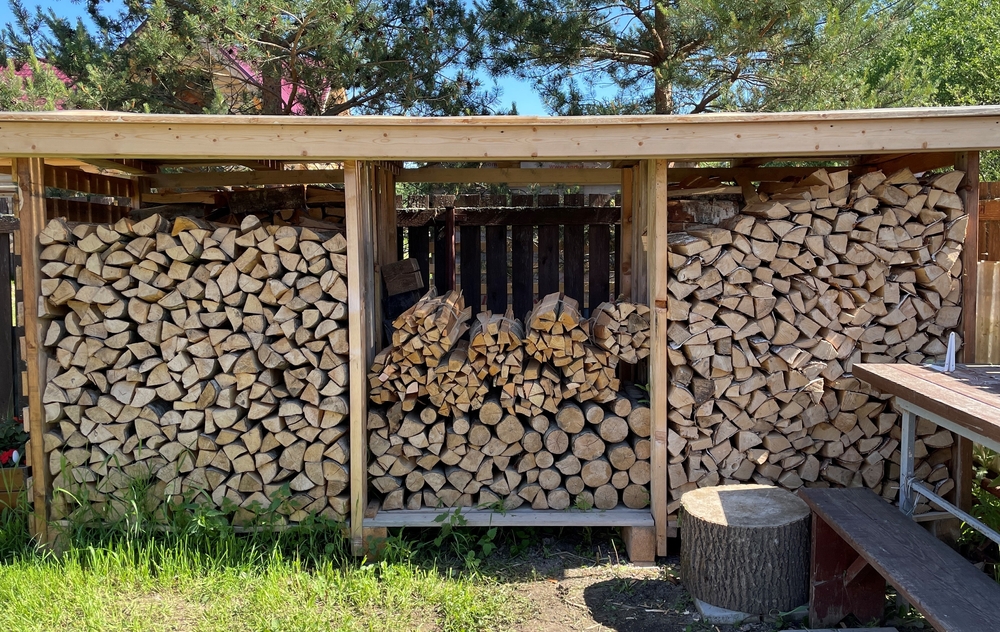
If you heat your home with a fireplace or wood stove, keeping a good supply of firewood on hand is a seasonal priority. But storing that wood improperly can quickly turn a convenience into a costly problem. Termites, rodents, carpenter ants, and other pests are naturally attracted to firewood piles, and once they settle in, they can migrate from your woodpile straight into your home. Learning the best way to store firewood in Lubbock means understanding not just how to stack it, but where to place it, how to protect it, and how to keep unwanted guests from treating your supply as their personal habitat.
Why Firewood Attracts Pests in the First Place
Firewood is essentially a bundle of organic material that insects and small animals find irresistible. Termites in particular are drawn to wood that has contact with soil, moisture, or shade. When logs sit directly on the ground, they absorb moisture from below and create the warm, damp conditions that termites need to thrive. Rodents look for dense, sheltered piles to nest in during colder months, and carpenter ants will tunnel into soft or decaying wood regardless of the season.
The problem is especially relevant for homeowners in West Texas who rely on wood heat during the winter. In communities like Wolfforth and Shallowater, where temperatures can swing dramatically between seasons, firewood is often stored for months at a time before it gets used. That extended storage window gives pests ample opportunity to move in if the wood is not stored correctly. The solution is not complicated, but it does require attention to a few key principles.
Elevate Your Wood Off the Ground Immediately
Off-the-ground wood storage is the single most effective step you can take to deter pests and extend the life of your firewood. When wood rests directly on soil, it wicks up moisture and creates direct contact with the earth where termites and other insects travel. Elevating your wood supply breaks that connection entirely.
A quality firewood rack accomplishes this without requiring any construction or complicated setup. Firewood racks for sale at local hardware stores or online suppliers come in a variety of sizes, from compact racks that hold a fraction of a cord to heavy-duty options designed for storing a full cord or more. The key is choosing one that holds the wood at least several inches off the ground, ideally with a design that also allows airflow underneath and around the logs.
If you are storing wood in Wolfforth or Shallowater, where dusty, dry soil is the norm in summer and cold wet ground is common in winter, elevation matters in both directions. In dry months, ground contact can still introduce insects and rodents. In wet months, it accelerates rot. A well-made rack addresses both problems year-round.
Distance from Your Home Matters More Than You Think
Many homeowners make the mistake of stacking firewood right against the side of the house for easy access. While this seems practical, it creates a direct bridge between your woodpile and your home’s foundation, walls, and any wood framing nearby. Termites that establish a colony in your firewood pile do not stay there forever. They follow moisture and food sources, and your home offers both.
Termite-free firewood storage depends heavily on keeping your supply well away from any structure. Most pest control experts recommend storing firewood at least 20 to 30 feet from the house. That distance may seem inconvenient, but it provides a meaningful barrier between any pests in your wood and the building you are trying to protect. If distance is truly limited by your yard size, aim for as much space as possible and inspect the pile regularly for signs of insect activity.
Keeping wood away from fences, sheds, and other outbuildings is equally important. Termites are not selective about which wooden structure they invade once they have established themselves nearby.
Cover the Top, Leave the Sides Open
Moisture is the other major factor that makes a firewood pile hospitable to pests. Rain and snow saturate logs, slow down the seasoning process, and encourage mold and fungal growth that certain insects find attractive. Covering your woodpile with a tarp or fitted firewood cover protects the top of the stack from precipitation while still allowing the sides to breathe.
This balance matters. If you wrap your firewood completely and seal it tight, you trap humidity inside the pile rather than allowing it to escape. Covered-top, open-side storage keeps the rain out while letting natural airflow dry the wood and reduce the humidity that pests prefer. This approach is part of what makes the best way to store firewood in Lubbock different from advice designed for wetter climates. In West Texas, dryness is generally your friend, and good airflow accelerates the seasoning process.
Avoid storing wood under a solid roof overhang pressed against a wall for the same reason. Even if the logs stay dry, restricted airflow traps heat and moisture in ways that promote insect activity.
Seasonal Rotation and Regular Inspection
Storing firewood correctly is not a one-time setup. It requires ongoing management throughout the season. One of the most overlooked practices is using older wood first and keeping the pile rotated so that no logs sit undisturbed for too long. Pests are more likely to colonize wood that has been sitting in the same position for months without being touched or moved.
Each time you pull logs from your supply, take a moment to look at the wood underneath and around the base of the rack. Signs of termite activity include small mud tubes along the surface of the wood, sawdust-like frass around the base, or logs that feel unusually soft or hollow. Rodent activity often shows up as nesting material, gnaw marks, or small burrows nearby.
Residents in Lubbock, Wolfforth, and Shallowater who heat with wood should also avoid stacking green or freshly cut wood against older, well-seasoned logs. Fresh wood carries more moisture and can reintroduce humidity to a pile that was already drying out properly.
Conclusion
Protecting your firewood from termites and pests comes down to four consistent habits: elevating the wood off the ground, keeping the pile away from your home and other structures, managing moisture through proper covering and airflow, and rotating the supply while inspecting it regularly. These steps are straightforward and do not require expensive materials or specialized knowledge.
For homeowners in Lubbock, Wolfforth, and Shallowater, investing in firewood racks for sale from a reputable supplier is one of the simplest ways to put termite-free firewood storage into practice from day one. Off-the-ground wood storage paired with good siting and seasonal inspection will keep your firewood in excellent condition, your heating costs manageable, and your home better protected from the pest problems that poorly stored wood invites. A little planning at the start of the season goes a long way toward keeping both your wood supply and your home in good shape all winter long.
Need Firewood in Lubbock, TX?
Here at Freedom Firewood in Lubbock, Texas, we take pride in offering a diverse selection of premium, fully seasoned, and ready-to-burn firewood to meet all your needs. Whether you’re looking for oak, hickory, mesquite, pecan, New Mexico pine, pinion pine, or a mixed variety, we have you covered. From one cord to a quarter cord, apartment stacks, and even convenient pre-bagged firewood, we provide the right quantity for you. Plus, with our local and long-distance delivery services, getting your firewood has never been easier. Contact us today to experience the warmth and quality of Freedom Firewood!