Winter in Lubbock can bring sharp temperature swings, occasional snow and ice, and stretches of cold weather that make a ready supply of dry firewood especially useful. But leaving firewood bundles directly on the ground or wrapping them too tightly can trap moisture and create conditions where mold and decay develop.
The best way to store firewood bundles is to keep them elevated, covered from precipitation, and open to airflow on the sides. In Lubbock, the combination of generally dry High Plains air with occasional winter precipitation means firewood needs protection without being completely sealed. A rack, pallet, or other raised surface paired with a top cover can help keep bundles dry and ready to burn.
What local readers should know
Firewood bundles should be stored several inches above the ground so they do not absorb moisture from soil, concrete, snow, or ice.
In Lubbock County, wind-driven precipitation can reach wood that appears protected, so placement matters as much as the cover itself.
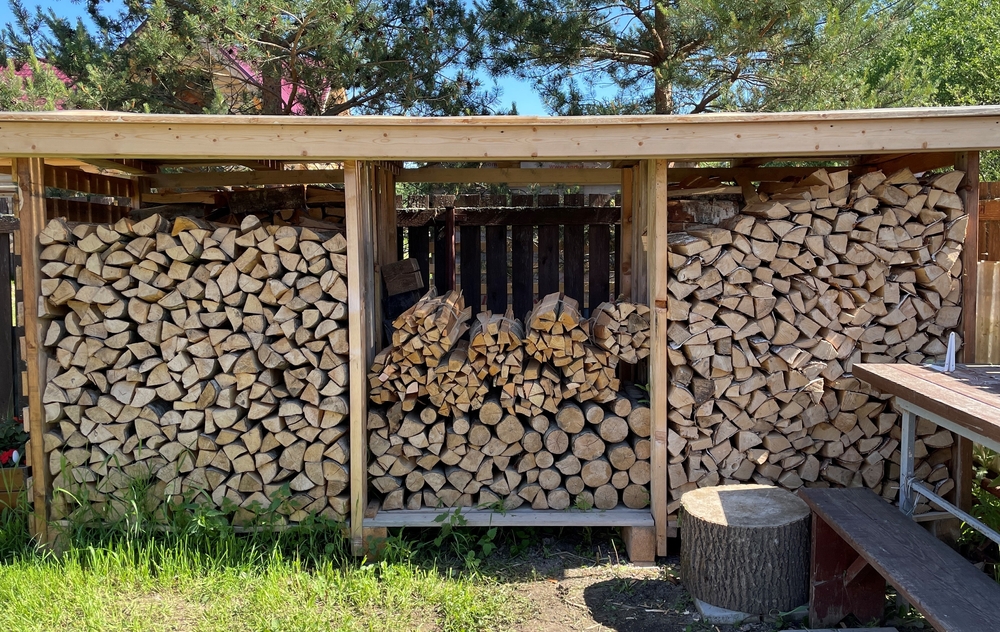
Cover the top of the wood while leaving the sides open enough for air to circulate.
Avoid tightly wrapping an entire stack in plastic because trapped moisture has nowhere to escape.
Check stored bundles after winter storms and before bringing firewood indoors.
Why Does Proper Firewood Storage Matter in Lubbock?
Proper firewood storage matters in Lubbock because even a relatively dry regional climate does not eliminate winter moisture problems. Snow, freezing precipitation, rain, ground moisture, and temperature changes can all introduce water into a poorly protected stack, while insufficient airflow can slow drying.
The National Weather Service maintains climate records for the area showing that measurable winter snowfall is a normal part of the local climate. January snowfall normals for the 1991-2020 period total 1.6 inches, and individual winter storms can bring considerably more.
That matters whether you are storing wood near Tech Terrace, South Lubbock, Wolfforth, or farther out in Lubbock County. A stack that sits uncovered through a wet winter event may remain damp in protected areas even after the surrounding ground looks dry.
Freedom Firewood helps local customers get the firewood they need for cold-weather use. Once you have your wood, a few simple storage habits can help preserve its condition until you are ready to burn it.
What Does Local Winter Weather Mean for Stored Firewood?
Lubbock winter weather means stored firewood can experience dry stretches interrupted by significant cold, snow, or other precipitation, so storage needs to handle both ventilation and sudden moisture. The goal is not to create an airtight enclosure. It is to keep precipitation off while allowing existing moisture to escape.
National Weather Service data illustrates how variable local winters can be. For example, January 2026 included 6.4 inches of snow at the Lubbock climate station and a monthly low of -2°F.
For residents across the South Plains, that variability makes a simple rule useful: keep firewood off wet surfaces, protect it from precipitation, and give it room to breathe.
How Does Moisture Affect Firewood Bundles?
Moisture affects firewood bundles by making them harder to light, less pleasant to handle, and more susceptible to mold or decay when damp conditions persist. Moisture can enter from above during precipitation, from below through contact with wet surfaces, or remain trapped when a stack is covered too tightly.
The outer pieces in a bundle may dry quickly in the High Plains wind while wood deeper in a tightly packed stack remains damp. That is why checking only the exposed surface does not always tell you how well the entire supply is being stored.
For homeowners near Texas Tech University, Mackenzie Park, or newer residential areas in southwest Lubbock, the same basic principle applies: airflow is part of moisture control.
What Are the Warning Signs of Poorly Stored Firewood?
Poorly stored firewood often shows visible or physical signs of excess moisture before the problem becomes severe. Inspect your bundles periodically, especially after snow, rain, or prolonged freezing weather.
Watch for:
Visible white, green, gray, or dark growth on the wood
A musty or damp smell around the stack
Bundles that remain noticeably wet well after a storm
Soft or deteriorating areas in individual pieces
Moisture collecting underneath plastic covers
Wood sitting directly against wet soil or concrete
Persistent dampness in the center or bottom of the stack
Finding one damp piece does not necessarily mean an entire supply is unusable. It does mean the storage setup deserves attention.
When Should You Get Help With Your Firewood Supply?
You should consider getting fresh firewood when your stored supply has become persistently wet, badly deteriorated, or unsuitable for the fire you planned to use it for. Minor storage issues can often be corrected by moving dry, sound wood to a better-ventilated location and improving its protection.
If you are uncertain about wood that shows substantial mold, rot, or prolonged saturation, replacing questionable bundles may be more practical than trying to salvage them.
For Lubbock homeowners preparing for a cold front, checking your supply before temperatures fall also gives you time to address shortages rather than discovering a problem when you want to start a fire.
What Commonly Causes Firewood to Get Wet in Lubbock?
The most common causes of wet firewood in Lubbock are direct exposure to precipitation, ground contact, poor airflow, and covers that trap moisture. Local wind can make storage more complicated because rain or snow does not always fall straight down.
1. Storing bundles directly on the ground
Bare soil can transfer moisture into the lowest pieces. Snow and ice around the base of a stack can make the problem worse.
2. Completely wrapping the stack
Plastic can block rain, but wrapping the top and all four sides tightly can also trap moisture. A top cover with ventilation around the sides is generally a better approach.
3. Storing wood against an exterior wall
A tightly packed stack can reduce airflow and hold moisture between the wood and the structure. Leave space for circulation.
4. Ignoring wind-driven precipitation
On the open South Plains, wind can carry rain and snow under an overhang or onto the side of an otherwise protected stack. Check the direction and exposure of your storage area.
5. Leaving bundles in low spots
Water that collects after precipitation can soak the bottom of a stack. Choose a raised, well-drained location.
How Can You Prevent Mold and Moisture in Firewood?
You can reduce mold and moisture problems by elevating firewood, covering it from above, maintaining airflow, and inspecting it after wet weather. These steps are inexpensive and work well for typical backyard, patio, or garage-adjacent storage around Lubbock.
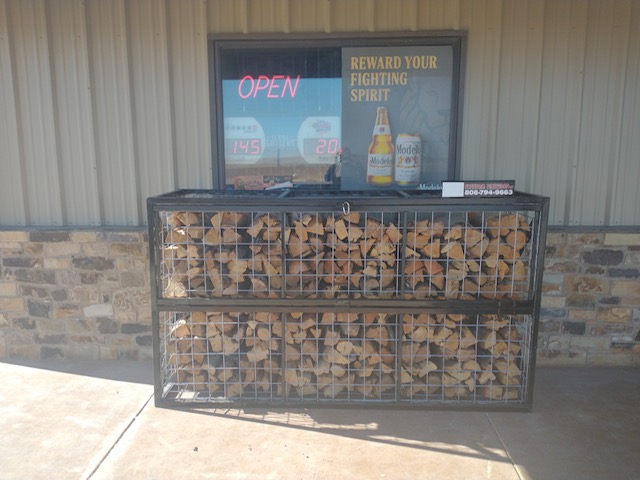
Use a purpose-built firewood rack, pallet, or another stable raised platform. Keep the stack orderly rather than packing pieces into a dense pile. Place a cover over the top while allowing the sides to remain exposed to moving air.
During winter, inspect the lowest bundles after snow or freezing precipitation. If a cover has shifted in strong South Plains winds, reposition it promptly.
For short-term indoor storage, bring in only the amount of firewood you expect to use soon rather than moving a large outdoor stack into the house.
What Results Can You Expect From Better Firewood Storage?
Better firewood storage helps preserve the condition of your bundles by reducing unnecessary exposure to water and allowing ventilation around the stack. It cannot reverse significant decay or guarantee that improperly seasoned wood will become ready to burn immediately, but it can prevent avoidable storage problems.
A well-designed setup should leave the wood protected from direct precipitation without visible condensation building up beneath the cover. After a typical dry stretch in West Texas, exposed surfaces should have an opportunity to dry rather than remaining enclosed in stagnant, damp air.
What Firewood Storage Mistakes Should Lubbock Homeowners Avoid?
The biggest firewood storage mistakes are sealing the stack completely, placing it directly on a damp surface, and assuming Lubbock’s dry reputation means moisture cannot become a problem.
Mistake: Wrapping every side tightly in a tarp. Consequence: Moisture can become trapped inside. Better approach: Cover the top while preserving side ventilation.
Mistake: Stacking bundles directly on soil. Consequence: The bottom layer can absorb ground moisture. Better approach: Elevate the entire supply on a stable rack or platform.
Mistake: Forgetting about the stack after a storm. Consequence: A shifted cover or accumulated snow can expose wood longer than expected. Better approach: Inspect your storage area after significant winter weather.
Mistake: Waiting for a cold night to check your supply. Consequence: You may discover wet or insufficient firewood when you need it most. Better approach: Check your bundles before the next cold front arrives.
What Is a Common Winter Firewood Scenario in Lubbock?
A common Lubbock scenario is a homeowner placing several firewood bundles beside a patio or exterior wall where they stay dry most of the time. A winter storm arrives with strong wind, precipitation reaches the stack, and the bottom bundles remain damp because they are sitting on the ground or concrete.
The better setup is simple. Elevate the wood, leave room around the stack for airflow, and secure a top cover so West Texas wind cannot easily pull it away. Checking the stack after the storm can catch moisture problems early.
What Firewood Solutions Are Available Locally?
Local firewood solutions can help homeowners replenish a supply that has run low or replace bundles that were poorly stored and became unusable. Planning ahead also helps ensure you have appropriate firewood available before colder weather increases your need for it.
At Freedom Firewood, we serve local customers who need firewood in the Lubbock area. Once your supply is home, following proper storage practices can help protect it between uses.
Outdoor storage is generally the practical choice for the main firewood supply because it allows ventilation while keeping a large quantity of wood outside the living space. A small amount can be brought inside shortly before use when appropriate.
Option
Best Use
Main Consideration
Raised outdoor rack
Primary storage
Needs top protection from precipitation
Covered outdoor area
Convenient winter access
Must still have airflow
Garage or enclosed area
Limited storage where appropriate
Avoid damp, poorly ventilated conditions
Indoor storage
Small, short-term supply
Do not unnecessarily stockpile large amounts indoors
For properties around Wolfforth, Shallowater, Ransom Canyon, and Lubbock County, the best location will depend on wind exposure, drainage, and the layout of the property.
What Areas Does Freedom Firewood Serve?
Freedom Firewood serves customers in the Lubbock area. Readers in nearby communities should contact us to confirm current service availability for locations such as Wolfforth, Shallowater, or other parts of the South Plains.
What Can Happen If You Ignore Wet Firewood?
Ignoring wet firewood can lead to persistent mold growth, deterioration, difficult fire-starting, and wasted bundles. In Lubbock, a stack may look dry again quickly on the outside after a storm while protected or tightly packed sections remain damp.
Checking your storage setup before and after winter weather takes little time and can help you identify exposed bundles before prolonged moisture becomes a larger problem.
Frequently Asked Questions About Firewood Storage in Lubbock
Should I cover my firewood in Lubbock during winter?
Yes, firewood in Lubbock should be protected from rain, snow, and freezing precipitation, particularly from above. Avoid sealing the entire stack in plastic. A secure top cover combined with open sides helps block direct moisture while maintaining the airflow needed for the wood to dry.
Can I store firewood directly on concrete?
It is better to elevate firewood rather than leave bundles directly on concrete for extended periods. Concrete can become wet from precipitation, melting snow, or drainage. A rack or stable raised platform creates separation from the surface and improves airflow beneath the lowest pieces.
Does Lubbock get enough snow to affect firewood storage?
Yes, Lubbock receives measurable winter snowfall, although amounts vary considerably from year to year and storm to storm. National Weather Service climate normals show January snowfall is part of the local climate. Keeping wood covered and elevated prepares your supply for those occasional snowy periods.
Should firewood be completely covered with a tarp?
No, completely wrapping firewood can interfere with airflow and trap moisture underneath the tarp. Protect the top of the stack from precipitation while allowing air to circulate around the sides. In the South Plains, make sure the cover is also secured against strong wind.
Where is the best place to store firewood around my Lubbock home?
The best location is a dry, elevated, well-ventilated spot protected from direct precipitation. Choose an area with good drainage and enough clearance for air to move around the wood. Because wind can drive precipitation sideways in West Texas, consider the exposure of the location as well as overhead coverage.
How can I tell if my firewood has too much moisture?
Look for persistent dampness, musty odors, visible mold-like growth, or soft and deteriorating areas. The outside of a bundle can dry before the center or bottom does, so inspect several pieces. If substantial portions remain wet or deteriorated, consider replacing the affected wood.
Should I check stored firewood after a Lubbock winter storm?
Yes, checking your firewood after a winter storm can reveal shifted covers, accumulated snow, standing water, or wet bottom bundles. Local wind can expose portions of a stack even when it started out protected. Correcting those problems quickly helps prevent moisture from remaining trapped around the wood.
When should I buy firewood for winter in Lubbock?
Buying firewood before you expect to use it gives you time to organize a dry, ventilated storage area and check your supply before colder weather arrives. If you already have stored bundles, inspect them before a forecast cold spell so wet or deteriorated wood does not catch you by surprise.
Keep Your Winter Firewood Dry and Ready in Lubbock
Good firewood storage does not need to be complicated. Keep bundles raised, protect them from precipitation, maintain airflow, and check them after winter weather. Those basic habits are especially useful in a South Plains climate where dry periods can quickly give way to freezing temperatures, snow, or other winter precipitation.
Keep Your Firewood Ready for the Next Lubbock Cold Front
We can help you prepare your firewood supply before colder weather arrives. Store it correctly, inspect it regularly, and replace bundles that are no longer in suitable condition.
Firewood is an investment, especially for homeowners who rely on it for winter heating, outdoor gatherings, or backyard fire pits. In West Texas, the combination of intense summer heat, strong winds, sudden rainstorms, and local pests can quickly reduce the quality of improperly stored wood. Knowing how to store firewood correctly helps protect its value and ensures it is ready when you need it.
Quick Answer
The best way to store firewood in West Texas is to keep it elevated off the ground, covered on top but open on the sides for airflow, and located away from your home’s exterior. Proper storage protects wood from moisture, insects, rodents, and premature decay while allowing it to season naturally for cleaner, more efficient burning.
What Local Readers Should Know
Firewood should always be stacked on pallets, racks, or another raised surface to prevent ground moisture from soaking into the logs.
West Texas wind can actually help season firewood when stacks have good airflow.
Termites, ants, rodents, and other pests are more likely to invade woodpiles that are stored directly against a home.
Residents throughout Lubbock County often benefit from storing firewood before the cooler months arrive since seasonal demand increases during fall and winter.
Heavy spring thunderstorms and occasional snow events can introduce moisture that reduces burning efficiency if firewood is not properly protected.
Why This Matters Locally
Proper firewood storage is especially important in Lubbock because of the region’s unique climate. Long periods of dry weather are often interrupted by thunderstorms, high winds, dust storms, and occasional freezing temperatures during winter. These changing conditions affect how firewood dries, how long it stays usable, and how attractive it becomes to insects seeking shelter.
At Freedom Firewood, we regularly help homeowners understand not only which firewood burns best but also how proper storage helps maintain quality throughout the year. Once your firewood is delivered, the way you store it has a significant impact on performance.
Local Data and Field Observations
According to the National Weather Service office serving Lubbock, the South Plains experiences frequent high wind events, seasonal thunderstorms, periods of drought, and occasional freezing weather. These weather patterns create ideal drying conditions when wood is properly stacked but can also expose firewood to sudden moisture if left uncovered.
From our experience serving local customers, improperly stored firewood often develops excess moisture after storms, while tightly covered stacks without ventilation can trap humidity and encourage mold growth.
Local Impact
Poorly stored firewood affects more than just convenience. Wet wood burns less efficiently, produces more smoke, creates additional creosote inside chimneys, and delivers less heat. Homeowners throughout Wolfforth, Shallowater, Idalou, Slaton, and surrounding communities may also notice increased insect activity when woodpiles are placed too close to homes or garages.
Proper storage protects both your investment and your property.
Warning Signs Your Firewood Is Not Being Stored Properly
The bottom layer of logs feels damp or soft.
Mold or fungus appears on the bark.
Insects are visible throughout the stack.
The wood has a musty odor.
Rodent nests are found inside the pile.
Logs are resting directly on bare soil.
Rainwater consistently reaches the sides of the stack.
Firewood produces excessive smoke or struggles to ignite.
When to Call a Professional
Firewood storage is generally a DIY task, but professional guidance can help if you notice recurring pest infestations, widespread mold, or consistently poor-burning wood despite proper storage efforts. If you’re purchasing seasoned firewood, choosing a knowledgeable local supplier also helps ensure you’re starting with quality wood that has been properly prepared.
Common Local Causes of Firewood Problems
Ground Moisture
Even in the dry climate of the South Plains, moisture from irrigation systems, rainfall, or morning dew can slowly soak into wood stored directly on the ground.
Poor Airflow
Stacking wood too tightly or wrapping it completely in plastic traps moisture instead of allowing the natural West Texas breeze to continue the seasoning process.
Sudden Storms
Thunderstorms can quickly saturate exposed firewood. A simple overhead cover helps protect the top while leaving the sides open for ventilation.
Pest Activity
Termites, carpenter ants, spiders, rodents, and other pests often seek shelter inside neglected woodpiles, particularly those located next to buildings.
Direct Sun Exposure
While sunshine helps dry wood initially, excessive exposure over long periods may cause splitting that reduces the lifespan of stored firewood.
Prevention and Maintenance
Good firewood storage starts with choosing the right location.
Store firewood at least several feet away from your home’s foundation whenever possible. Use a firewood rack, pressure-treated runners, or pallets to elevate the stack. Cover only the top of the pile with a tarp or metal cover while keeping the sides open.
Inspect the stack every few weeks for signs of insects, moisture, or shifting. Rotate older wood toward the front so it gets used first. Before winter arrives, verify that your remaining supply is still dry and ready to burn.
Expected Results
Properly stored seasoned firewood burns hotter, produces less smoke, creates less creosote buildup, and is easier to light. Homeowners can also expect fewer pest issues and longer-lasting firewood throughout the heating season.
Common Mistakes
Mistake: Storing firewood directly against the house.
Consequence: This creates an easy pathway for insects and rodents to enter the home.
Better Approach: Keep stacks several feet away while maintaining convenient access.
Mistake: Covering the entire woodpile with plastic.
Consequence: Moisture becomes trapped inside the stack, encouraging mold.
Better Approach: Cover only the top while leaving the sides open.
Mistake: Placing firewood directly on bare soil.
Consequence: Ground moisture accelerates decay.
Better Approach: Always elevate firewood using racks or pallets.
Common Local Scenario
A homeowner purchases seasoned firewood during early fall but stacks it directly beside the garage without elevation or airflow. After several seasonal storms, the bottom logs become damp, insects begin nesting inside the pile, and the wood burns poorly once winter arrives. Simple changes to storage location and ventilation could have preserved the entire supply.
Related Service Solutions
Quality firewood starts with quality sourcing. Choosing properly seasoned hardwood gives homeowners a better foundation for efficient burning throughout the season. We help customers select the right amount of firewood for fireplaces, wood stoves, outdoor fire pits, camping, and special events while offering guidance on proper storage after delivery.
Professional Firewood Delivery with Storage Guidance
Starts with properly seasoned wood
Requires choosing a trusted supplier
Service Areas
We proudly serve homeowners throughout Lubbock and nearby communities including Wolfforth, Shallowater, Slaton, Idalou, and surrounding areas across the South Plains. Local knowledge helps us recommend storage practices that work well for the region’s unique weather conditions.
Cost of Ignoring the Issue
Ignoring proper firewood storage often leads to wasted money. Wet wood provides less heat, damaged logs may become unusable, and pest infestations can create additional concerns around your property. Small improvements to storage today can help preserve your firewood for months.
The best method is to keep firewood elevated, covered on top, and open on the sides for ventilation. This helps protect it from moisture while allowing continued airflow.
How far should firewood be from my home?
Firewood should generally be stored several feet away from your home’s exterior to reduce the chance of insects or rodents moving indoors.
Does West Texas weather affect seasoned firewood?
Yes. Strong winds help with drying, but thunderstorms and occasional snow can introduce unwanted moisture if wood is left uncovered.
Can I store firewood in my garage?
Small amounts intended for immediate use are generally acceptable, but large quantities are better stored outdoors to reduce the risk of insects entering enclosed spaces.
What pests commonly affect firewood around Lubbock County?
Termites, carpenter ants, spiders, beetles, and rodents are among the most common pests found in improperly stored firewood.
How long does seasoned firewood stay good?
When properly stored with good airflow and protection from moisture, seasoned firewood can remain in excellent condition for extended periods.
Should I cover my entire woodpile?
No. Covering only the top provides protection from rain while allowing the sides to breathe and release moisture.
When is the best time to buy firewood in West Texas?
Many homeowners purchase firewood before colder weather arrives to ensure availability and allow time for proper storage before regular use begins.
Protect Your Firewood and Enjoy Better Fires All Season
Proper storage helps every piece of firewood burn cleaner, last longer, and provide more dependable heat. Taking a few simple steps today protects your investment throughout every season.
Ready for Quality Firewood in Lubbock?
Whether you’re preparing for winter, stocking your backyard fire pit, or planning outdoor gatherings, we’re here to help you get the right firewood and the knowledge to keep it in excellent condition.
If you heat your home with a fireplace or wood stove, keeping a good supply of firewood on hand is a seasonal priority. But storing that wood improperly can quickly turn a convenience into a costly problem. Termites, rodents, carpenter ants, and other pests are naturally attracted to firewood piles, and once they settle in, they can migrate from your woodpile straight into your home. Learning the best way to store firewood in Lubbock means understanding not just how to stack it, but where to place it, how to protect it, and how to keep unwanted guests from treating your supply as their personal habitat.
Why Firewood Attracts Pests in the First Place
Firewood is essentially a bundle of organic material that insects and small animals find irresistible. Termites in particular are drawn to wood that has contact with soil, moisture, or shade. When logs sit directly on the ground, they absorb moisture from below and create the warm, damp conditions that termites need to thrive. Rodents look for dense, sheltered piles to nest in during colder months, and carpenter ants will tunnel into soft or decaying wood regardless of the season.
The problem is especially relevant for homeowners in West Texas who rely on wood heat during the winter. In communities like Wolfforth and Shallowater, where temperatures can swing dramatically between seasons, firewood is often stored for months at a time before it gets used. That extended storage window gives pests ample opportunity to move in if the wood is not stored correctly. The solution is not complicated, but it does require attention to a few key principles.
Elevate Your Wood Off the Ground Immediately
Off-the-ground wood storage is the single most effective step you can take to deter pests and extend the life of your firewood. When wood rests directly on soil, it wicks up moisture and creates direct contact with the earth where termites and other insects travel. Elevating your wood supply breaks that connection entirely.
A quality firewood rack accomplishes this without requiring any construction or complicated setup. Firewood racks for sale at local hardware stores or online suppliers come in a variety of sizes, from compact racks that hold a fraction of a cord to heavy-duty options designed for storing a full cord or more. The key is choosing one that holds the wood at least several inches off the ground, ideally with a design that also allows airflow underneath and around the logs.
If you are storing wood in Wolfforth or Shallowater, where dusty, dry soil is the norm in summer and cold wet ground is common in winter, elevation matters in both directions. In dry months, ground contact can still introduce insects and rodents. In wet months, it accelerates rot. A well-made rack addresses both problems year-round.
Distance from Your Home Matters More Than You Think
Many homeowners make the mistake of stacking firewood right against the side of the house for easy access. While this seems practical, it creates a direct bridge between your woodpile and your home’s foundation, walls, and any wood framing nearby. Termites that establish a colony in your firewood pile do not stay there forever. They follow moisture and food sources, and your home offers both.
Termite-free firewood storage depends heavily on keeping your supply well away from any structure. Most pest control experts recommend storing firewood at least 20 to 30 feet from the house. That distance may seem inconvenient, but it provides a meaningful barrier between any pests in your wood and the building you are trying to protect. If distance is truly limited by your yard size, aim for as much space as possible and inspect the pile regularly for signs of insect activity.
Keeping wood away from fences, sheds, and other outbuildings is equally important. Termites are not selective about which wooden structure they invade once they have established themselves nearby.
Cover the Top, Leave the Sides Open
Moisture is the other major factor that makes a firewood pile hospitable to pests. Rain and snow saturate logs, slow down the seasoning process, and encourage mold and fungal growth that certain insects find attractive. Covering your woodpile with a tarp or fitted firewood cover protects the top of the stack from precipitation while still allowing the sides to breathe.
This balance matters. If you wrap your firewood completely and seal it tight, you trap humidity inside the pile rather than allowing it to escape. Covered-top, open-side storage keeps the rain out while letting natural airflow dry the wood and reduce the humidity that pests prefer. This approach is part of what makes the best way to store firewood in Lubbock different from advice designed for wetter climates. In West Texas, dryness is generally your friend, and good airflow accelerates the seasoning process.
Avoid storing wood under a solid roof overhang pressed against a wall for the same reason. Even if the logs stay dry, restricted airflow traps heat and moisture in ways that promote insect activity.
Seasonal Rotation and Regular Inspection
Storing firewood correctly is not a one-time setup. It requires ongoing management throughout the season. One of the most overlooked practices is using older wood first and keeping the pile rotated so that no logs sit undisturbed for too long. Pests are more likely to colonize wood that has been sitting in the same position for months without being touched or moved.
Each time you pull logs from your supply, take a moment to look at the wood underneath and around the base of the rack. Signs of termite activity include small mud tubes along the surface of the wood, sawdust-like frass around the base, or logs that feel unusually soft or hollow. Rodent activity often shows up as nesting material, gnaw marks, or small burrows nearby.
Residents in Lubbock, Wolfforth, and Shallowater who heat with wood should also avoid stacking green or freshly cut wood against older, well-seasoned logs. Fresh wood carries more moisture and can reintroduce humidity to a pile that was already drying out properly.
Conclusion
Protecting your firewood from termites and pests comes down to four consistent habits: elevating the wood off the ground, keeping the pile away from your home and other structures, managing moisture through proper covering and airflow, and rotating the supply while inspecting it regularly. These steps are straightforward and do not require expensive materials or specialized knowledge.
For homeowners in Lubbock, Wolfforth, and Shallowater, investing in firewood racks for sale from a reputable supplier is one of the simplest ways to put termite-free firewood storage into practice from day one. Off-the-ground wood storage paired with good siting and seasonal inspection will keep your firewood in excellent condition, your heating costs manageable, and your home better protected from the pest problems that poorly stored wood invites. A little planning at the start of the season goes a long way toward keeping both your wood supply and your home in good shape all winter long.
Need Firewood in Lubbock, TX?
Here at Freedom Firewood in Lubbock, Texas, we take pride in offering a diverse selection of premium, fully seasoned, and ready-to-burn firewood to meet all your needs. Whether you’re looking for oak, hickory, mesquite, pecan, New Mexico pine, pinion pine, or a mixed variety, we have you covered. From one cord to a quarter cord, apartment stacks, and even convenient pre-bagged firewood, we provide the right quantity for you. Plus, with our local and long-distance delivery services, getting your firewood has never been easier. Contact us today to experience the warmth and quality of Freedom Firewood!
When winter approaches and fireplaces start to crackle, the last thing anyone wants is damp, moldy, or bug-infested firewood. Proper storage methods can mean the difference between cozy evenings by the fire and frustration as wood refuses to burn. Whether you rely on wood as a primary heating source or simply love the ambiance it provides, stacking firewood properly is essential for keeping it dry, safe, and ready to use all season long. Here is everything you need to know about firewood storage, from choosing the right spot to learning how to cover firewood for maximum protection.
The Importance of Seasoning Wood Outdoors
Seasoning refers to the process of drying out firewood until it reaches a moisture content low enough to burn efficiently. Freshly cut, or “green,” wood contains up to 50 percent water. Burning it leads to excessive smoke, poor heat output, and creosote buildup in chimneys. To avoid this, firewood should be seasoned for at least six to twelve months depending on the wood type.
Seasoning wood outdoors is critical because airflow and sunlight are your best tools for reducing moisture content. Splitting the logs increases the surface area and allows them to dry faster. Once split, the wood should be stacked in a location where it will receive plenty of sun exposure and wind circulation. The more contact it has with moving air, the more efficiently it will season. Never store green wood in enclosed spaces like sheds or garages, as this will trap moisture and foster mold.
Dry firewood not only lights faster but also burns hotter and cleaner. Properly seasoned wood will have grayish ends, visible cracks, and will sound hollow when knocked together. When you take the time to season it correctly, you ensure efficient combustion and better indoor air quality during the winter months.
Best Practices for Stacking Firewood Properly
Once the wood is seasoned or in the process of drying, how you stack it plays a vital role in maintaining dryness and keeping it ready for use. Stacking firewood properly is about more than just piling it up. It involves creating stable, elevated stacks that promote air movement and discourage moisture absorption.
The woodpile should always be raised off the ground. Direct contact with soil invites rot, insects, and mold. Use a firewood rack, pallets, or even treated lumber to create a sturdy base. Each piece should be placed bark-side up if the wood is still drying, since the bark acts like a natural shield. For fully seasoned wood, bark-side down may help retain dryness.
Keep the stack compact and even, but avoid stacking too tightly. Gaps between the logs allow air to flow through the pile and carry away moisture. Stack in single rows whenever possible, especially if the wood is still drying. Round or criss-cross stacking styles can be used for decorative appeal but may restrict airflow if done improperly.
Avoid stacking against a wall without space for ventilation. If using a building for support, leave a few inches of clearance to allow air movement. And always build your stack with safety in mind: unstable piles can topple over, especially when people or pets are nearby.
Firewood Rack Placement for Optimal Dryness
Firewood rack placement can greatly impact how well your wood stays dry during the winter. The goal is to choose a location that maximizes sun exposure and allows wind to pass through freely. Ideally, place the rack in a southern-facing area where sunlight is strongest throughout the day.
Avoid shady, damp locations near trees or fences. These areas tend to retain moisture and restrict airflow. A freestanding rack in an open space will dry faster and is less prone to fungal growth or insect invasion. Be cautious when placing a firewood rack near your home. While it may be convenient, it can invite pests into your living space and limit ventilation. If you do choose to place it near your house, ensure it’s at least a foot away from exterior walls.
The ground beneath the rack also matters. Gravel or concrete is preferable to dirt, which can become soggy and promote mold growth. If placing it on grass or soil is unavoidable, make sure to elevate the rack higher to allow air to circulate underneath.
A well-placed firewood rack will not only extend the life of your wood but also save time and effort in future winters. Taking the time to find the right spot can prevent countless issues down the line.
How to Cover Firewood Without Trapping Moisture
Protecting firewood from rain and snow is essential, but improper covering techniques can do more harm than good. The goal is to shield the wood from precipitation while still allowing it to breathe. Learning how to cover firewood properly is all about balance.
The best method is to cover only the top of the stack, leaving the sides open for airflow. Use a tarp, metal roofing sheet, or a dedicated firewood cover, and secure it tightly so it does not blow off during storms. Avoid plastic sheeting that wraps around the pile, as this can trap humidity and lead to mold growth.
If you live in an area with frequent snowfall, angle your cover so that snow can slide off rather than accumulate. Weighted objects like bricks or bungee cords can help keep the cover in place without sealing the sides.
Consider building a simple lean-to or firewood shed with a roof and open walls. This offers long-term protection while supporting ventilation. No matter the method, avoid letting moisture pool at the base of the pile. Make sure the ground beneath is dry and well-drained.
Covering firewood is especially important once it is fully seasoned. Dry wood can reabsorb moisture if left unprotected, making your hard work go to waste. With the right approach, your wood will stay dry, efficient, and ready to burn.
Keeping Pests Out of Firewood
Woodpiles can be magnets for pests such as termites, ants, spiders, and rodents. These unwanted guests can hitch a ride into your home when you bring logs inside or cause damage to your property if stored too close. Fortunately, a few strategic steps can reduce the risk of infestation.
First, keep your firewood stack at least twenty feet away from your home if possible. This minimizes the chance that insects will migrate indoors. Always inspect logs before bringing them inside, and store only small amounts indoors to limit exposure.
Split wood burns cleaner and deters pests, as insects prefer the cool, moist environment of unsplit logs. Use older wood first, and rotate the pile regularly to discourage nesting.
Never spray insecticide on firewood. These chemicals release harmful fumes when burned and are unsafe for indoor air quality. Instead, focus on prevention. Elevating your stack and maintaining dry conditions will make the environment less attractive to pests.
Stacking firewood properly, choosing a dry and sunny location, and using the right cover will all help limit infestations. Stay vigilant, and your firewood will stay clean, safe, and pest-free throughout the winter.
Conclusion
Storing firewood properly is a seasonal ritual that pays dividends all winter long. From the moment wood is split, every decision you make affects its quality and performance. Seasoning wood outdoors allows it to dry naturally, while stacking it correctly ensures stability and airflow. Firewood rack placement can accelerate drying and prevent mold, and learning how to cover firewood effectively keeps rain and snow at bay. Finally, with a few proactive steps, you can keep pests out of firewood and protect your home and health.
By dedicating time and attention to how your firewood is handled, you set yourself up for a warm, efficient, and stress-free winter. Dry, seasoned, and well-stored wood ignites quickly, burns longer, and provides the consistent heat that makes cold nights a pleasure rather than a problem. With the right practices in place, you can enjoy the rewards of your labor every time you light a fire.
Need Firewood in Lubbock, TX?
Here at Freedom Firewood in Lubbock, Texas, we take pride in offering a diverse selection of premium, fully seasoned, and ready-to-burn firewood to meet all your needs. Whether you’re looking for oak, hickory, mesquite, pecan, New Mexico pine, pinion pine, or a mixed variety, we have you covered. From one cord to a quarter cord, apartment stacks, and even convenient pre-bagged firewood, we provide the right quantity for you. Plus, with our local and long-distance delivery services, getting your firewood has never been easier. Contact us today to experience the warmth and quality of Freedom Firewood!
When the temperatures drop and winter settles in, there’s nothing quite like the comfort of a warm, crackling fire. However, keeping your firewood in good condition through the cold months requires more than just stacking logs on the ground or tossing them under a tarp. Proper storage is essential to preserve the quality of your wood and ensure it burns efficiently and safely. In places like Lubbock, TX, where weather can be unpredictable, investing in a reliable firewood storage rack can make all the difference. This article explores why storage matters, what makes a good firewood rack, and how you can prepare your firewood for the entire winter season.
Why Firewood Needs Proper Storage in Winter
Firewood may look sturdy, but it’s highly susceptible to damage from moisture and pests when not stored correctly. Without the right setup, you run the risk of your woodpile becoming a breeding ground for mold, insects, and rot. Once that happens, it won’t matter how much firewood you’ve cut and collected. Wet or decayed wood not only burns inefficiently but can also produce more creosote, a flammable substance that builds up in chimneys and increases the risk of house fires.
In winter, snow and freezing rain present a direct threat to unprotected firewood. A well-ventilated, elevated firewood storage rack keeps firewood dry by allowing air to circulate freely and by lifting logs off the ground, where water tends to accumulate. In Lubbock, TX, where winter storms can bring a mix of snow, wind, and freezing temperatures, the exposure can turn your firewood pile into a soggy, unusable mess without proper storage. Quality racks prevent that scenario and help ensure your firewood is always ready when you need it.
What Makes a Good Firewood Storage Rack
Choosing the right firewood storage rack involves more than just picking the first one you see online or at your local hardware store. The best firewood racks for winter are designed to address the two major enemies of firewood: moisture and pests. Look for racks that are made from durable, rust-resistant materials like powder-coated steel or treated hardwood. These materials can stand up to the elements and won’t degrade over time.
The design should allow for air flow on all sides. Air circulation is vital for keeping your firewood dry and well-seasoned. A covered rack is ideal, especially if you don’t have a shed or other shelter. Even a simple metal frame with a UV-resistant tarp that allows air to pass underneath will help tremendously. The elevation should be at least a few inches off the ground, enough to prevent water from seeping into the bottom layer of logs during rain or snow.
Size is another consideration. A rack that’s too small won’t hold enough to get you through winter, while one that’s too large may become difficult to manage or place in a convenient location. Measure the space you have available and estimate your seasonal firewood needs so you’re not caught short during a cold snap. For those in Lubbock, TX, where winter temperatures can vary widely, it’s smart to have a generous supply stored and protected from the elements.
Benefits of Firewood Racks for Winter
Investing in a firewood rack offers benefits beyond just dry wood. It simplifies the process of stacking, retrieving, and inspecting your firewood throughout the season. Instead of shuffling through a disorganized pile or trying to salvage soggy logs, a well-arranged rack makes it easy to rotate seasoned and freshly cut wood, keeping your supply efficient and consistent.
In terms of safety, firewood racks reduce the risk of contamination by pests like termites, ants, and rodents. When firewood is stored directly on the ground or too close to your home, it can act as a bridge for pests to enter your property. Elevating the wood and placing the rack at a safe distance from buildings discourages infestations and helps maintain a clean burn.
A quality rack also extends the life of your firewood. Seasoned wood storage is critical, especially when wood is cut in advance and needs to dry out for several months. Without proper airflow and separation from ground moisture, wood can stay damp, split poorly, or never dry completely. Firewood that has been properly seasoned and stored on a rack burns hotter, cleaner, and more efficiently, meaning you use less wood to achieve the same warmth.
Firewood Storage Racks in Lubbock, TX: Local Considerations
For residents of Lubbock, TX, the local climate adds another layer of complexity to winter firewood storage. The region can experience relatively mild days followed by freezing nights, and sudden snowstorms aren’t out of the question. These fluctuations make it even more important to protect your wood from moisture infiltration. A sudden thaw followed by a freeze can cause stored firewood to retain moisture, increasing the risk of mold and making it hard to ignite.
Given the semi-arid nature of West Texas, you might assume firewood will dry out naturally. While this can be true in warmer months, the humidity levels in winter, especially after a storm, can rise enough to impact stored wood. A properly designed firewood storage rack ensures year-round protection, not just from rain or snow, but from ambient moisture that can slowly degrade wood quality over time.
In Lubbock, where outdoor space is often plentiful, there’s little excuse not to invest in a large, well-placed firewood rack. Place it in a sunny location that gets good airflow and is shielded from prevailing winds if possible. The more strategic your placement, the longer your firewood will stay in optimal condition.
Preparing Your Firewood for the Cold Months Ahead
Even the best firewood storage rack won’t help much if the wood itself hasn’t been properly prepared. Ideally, firewood should be cut, split, and seasoned for at least six to twelve months before use. This process reduces moisture content and ensures the wood burns cleanly and efficiently. Seasoned wood storage plays a critical role in this preparation phase.
After splitting your logs, stack them neatly on the rack with plenty of space between pieces to allow air to circulate. Avoid covering the sides of your stack completely unless rain or snow is imminent. Let the wood “breathe” by only shielding the top from moisture, preferably with a slanted cover or tarp to allow water to run off naturally.
If you’re starting your preparation in the fall or early winter, focus on using the driest, oldest wood first and keep freshly cut logs separate. A dual-rack system can help you rotate between seasoned and green wood as needed. In colder climates or during extended winters like those sometimes experienced in Lubbock, TX, it’s wise to prepare more wood than you think you’ll need. It’s far better to have a surplus than to find yourself chopping frozen logs in the middle of January.
Conclusion
Keeping your firewood in excellent condition all winter long is about more than just convenience. It’s a matter of safety, efficiency, and comfort. A quality firewood storage rack is an essential tool for homeowners who rely on wood heat, particularly in regions like Lubbock, TX, where the weather can be unpredictable and harsh. These racks help keep firewood dry, ward off pests, and extend the life of your fuel source.
With proper planning and a dependable rack, your firewood will be ready whenever you need it, whether it’s for a cozy fireplace night or as a backup heat source during winter storms. Invest in the right storage solution now and enjoy peace of mind all season long, knowing your firewood is protected and ready to burn.
Need Firewood in Lubbock, TX?
Here at Freedom Firewood in Lubbock, Texas, we take pride in offering a diverse selection of premium, fully seasoned, and ready-to-burn firewood to meet all your needs. Whether you’re looking for oak, hickory, mesquite, pecan, New Mexico pine, pinion pine, or a mixed variety, we have you covered. From one cord to a quarter cord, apartment stacks, and even convenient pre-bagged firewood, we provide the right quantity for you. Plus, with our local and long-distance delivery services, getting your firewood has never been easier. Contact us today to experience the warmth and quality of Freedom Firewood!