

How Does Choosing the Right BBQ Wood Impact the Flavor of Your Brisket?
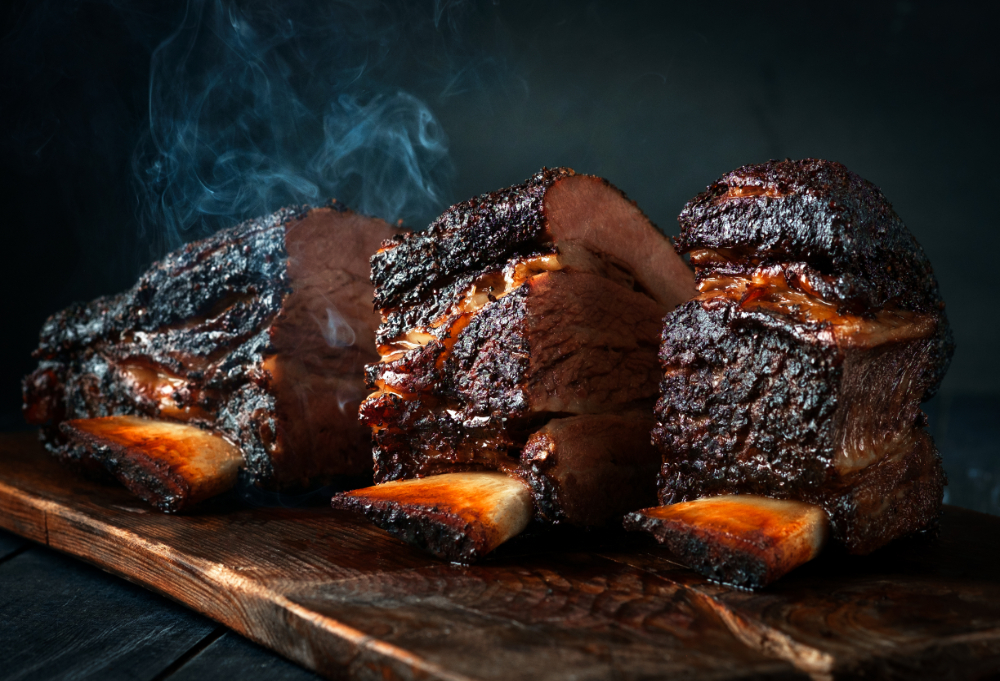
If you have ever bitten into a perfectly smoked brisket and wondered what made it taste so extraordinary, the answer is almost always the firewood. Serious pitmasters in West Texas and across the country understand that wood selection is not a seasoning afterthought. It is the foundation of the entire cook. From the moment smoke begins to rise off the firebox, the wood you choose starts shaping everything: the color of the bark, the depth of the smoke ring, and most importantly, the flavor that lingers on the palate long after the meal is over.
Whether you are firing up a backyard smoker in Lubbock or running a full-scale BBQ operation on the South Plains, understanding wood science will transform your brisket from good to legendary.
Why Wood Selection Is the Most Underrated Decision in BBQ
Most beginner pitmasters obsess over rubs, injection marinades, and thermometer readings. Experienced cooks, however, know that the best wood for smoking brisket does more heavy lifting than any spice blend ever could. Wood contributes combustion gases, aromatic compounds, and moisture to the cooking environment. The species of tree, the density of its cellular structure, and the moisture content of the wood all combine to determine how cleanly it burns and what flavor compounds are released in the process.
Hardwoods are the gold standard for smoking brisket because they burn longer, produce more consistent heat, and generate a cleaner smoke profile than softwoods. Softwoods like pine contain high levels of resin and terpenes that produce a harsh, acrid smoke that will ruin the surface of a brisket and leave a bitter, unpleasant aftertaste. Hardwoods, particularly those native to Texas, burn with a slow and steady intensity that keeps your pit in the ideal temperature range for long cooks without spiking or dropping unpredictably.
The concept of “clean smoke” is critical here. Clean smoke is thin, almost bluish in color, and carries aromatic compounds that bond beautifully to the fat and connective tissue in a beef brisket. Thick, white, billowing smoke is a sign of incomplete combustion, often caused by wet or green wood, and it deposits creosote on the meat. Creosote is bitter, slightly toxic in large quantities, and the enemy of a quality bark.
Post Oak vs Mesquite: The Great West Texas Debate
No conversation about BBQ smoking wood in Texas is complete without addressing the rivalry between post oak and mesquite. This debate runs deep in West Texas BBQ culture, and both sides have compelling arguments backed by decades of pitmaster tradition.
Post oak is widely considered the gold standard of Texas BBQ wood. It burns at a moderate, even temperature and produces a medium-bodied smoke that is nutty, slightly sweet, and incredibly well-balanced. Post oak does not overpower the natural beef flavor of a brisket. Instead, it complements and elevates it. This is why post oak vs mesquite conversations almost always end with central Texas pitmasters pointing to post oak as the reason their brisket tastes the way it does. The smoke penetrates the meat slowly and evenly over the course of a long cook, building complexity without tipping into bitterness.
Mesquite, on the other hand, is a wood that demands respect and restraint. Native to West Texas and deeply rooted in the region’s ranching culture, mesquite burns extremely hot and produces a bold, earthy, almost peppery smoke that is instantly recognizable. When used correctly, it adds a powerful regional character to brisket that no other wood can replicate. The problem is that mesquite’s intensity can quickly cross the line from bold to overwhelming, especially on long brisket cooks that run twelve to sixteen hours. Many experienced pitmasters in Lubbock and the surrounding area use mesquite as a blending wood rather than a primary fuel, combining it with post oak or another mild hardwood to get the best of both worlds.
The best wood for smoking brisket in West Texas often comes down to personal preference and cooking style, but the post oak vs mesquite decision should always be made with the length and temperature of the cook in mind.
How Moisture Content Affects Your Smoke and Your Brisket
One of the most overlooked variables in wood selection is moisture content. This is where the concept of seasoned cooking wood becomes critically important. Wood that has been freshly cut, often called green wood, contains a high percentage of water locked inside its cellular structure. When green wood burns, a significant portion of its energy goes toward evaporating that moisture rather than generating heat and clean combustion. The result is a smoldering, inefficient fire that produces thick white smoke loaded with incomplete combustion byproducts.
Seasoned cooking wood has been dried over a period of months, typically six months to a year, bringing its moisture content down to an optimal range of roughly fifteen to twenty percent. At this moisture level, wood combusts efficiently, generates steady and controllable heat, and produces the thin blue smoke that every pitmaster is chasing. The difference in the final product is immediately noticeable. Brisket smoked over properly seasoned wood develops a cleaner, deeper bark and a more refined smoke flavor that feels integrated into the meat rather than sitting on top of it like a chemical coating.
If you are sourcing your own wood, always split logs and allow them to season in a covered but well-ventilated woodpile before using them in your smoker. If you are purchasing from a BBQ supplies retailer or a BBQ smoking wood delivery service, always ask about the drying process and verify that the wood has been properly seasoned before it ships.
The Role of Wood Size and Splitting in Temperature Control
Beyond species selection and moisture content, the physical dimensions of your cooking wood have a direct impact on how your fire behaves and how your brisket cooks. Large, unsplit logs are difficult to ignite quickly and tend to smolder before catching a full combustion flame. Splits, which are logs that have been quartered or halved lengthwise, have more surface area exposed to the fire, which means they catch faster, burn more predictably, and are far easier to manage inside a stick burner or offset smoker.
For most backyard and competition pitmasters running an offset smoker, splits that are roughly sixteen inches long and three to four inches across are ideal. They add heat and smoke in measured increments without overcrowding the firebox or starving it of oxygen. When sourcing BBQ supplies in Lubbock or ordering through a BBQ smoking wood delivery service, look for vendors who sell pre-split wood rather than whole rounds. The additional prep work on the vendor’s end translates directly into a more consistent and manageable fire on your end.
Mixing split sizes can also give you greater temperature control. Adding a smaller split to an established fire will bring temperatures up gradually, while allowing the fire to burn down to coals before adding a larger split gives you a cleaner, hotter burn without excess smoke.
Sourcing Quality Wood in West Texas
Finding consistently good, properly seasoned BBQ smoking wood in West Texas can be more challenging than it sounds. Post oak is not native to the Lubbock area the way mesquite is, which means sourcing it often requires either traveling to central Texas or working with a dedicated BBQ smoking wood delivery service that ships properly seasoned hardwood directly to your door. Local BBQ supplies stores sometimes carry post oak, but availability can be inconsistent depending on the season and supplier relationships.
When evaluating any wood source, look for wood that has visible checking (small cracks along the end grain caused by the drying process), a relatively light weight for its size, and a clean, faintly sweet or earthy aroma when freshly split. Wood that smells musty or looks dark and discolored on the interior has likely been improperly stored and may introduce off-flavors to your brisket.
Conclusion
The wood you choose is the single most influential variable in the flavor of your brisket, and getting it right requires attention to species, moisture content, split size, and sourcing. Whether you are committed to post oak, curious about incorporating mesquite, or still exploring what works best in your pit, investing in properly seasoned cooking wood from a reliable supplier is always the right starting point. For pitmasters in Lubbock and across West Texas, that commitment to quality wood is what separates a forgettable brisket from one that people talk about for years.
Need Firewood in Lubbock, TX?
Here at Freedom Firewood in Lubbock, Texas, we take pride in offering a diverse selection of premium, fully seasoned, and ready-to-burn firewood to meet all your needs. Whether you’re looking for oak, hickory, mesquite, pecan, New Mexico pine, pinion pine, or a mixed variety, we have you covered. From one cord to a quarter cord, apartment stacks, and even convenient pre-bagged firewood, we provide the right quantity for you. Plus, with our local and long-distance delivery services, getting your firewood has never been easier. Contact us today to experience the warmth and quality of Freedom Firewood!