

The Ultimate Guide to Storing Firewood in West Texas: Protecting Your Investment from Elements and Pests
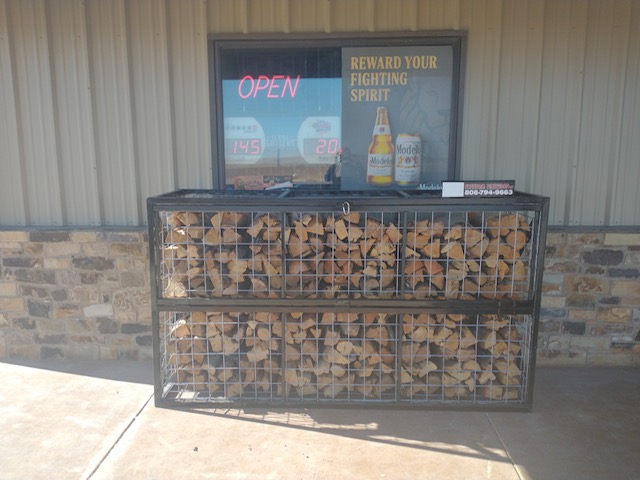
Firewood is an investment, especially for homeowners who rely on it for winter heating, outdoor gatherings, or backyard fire pits. In West Texas, the combination of intense summer heat, strong winds, sudden rainstorms, and local pests can quickly reduce the quality of improperly stored wood. Knowing how to store firewood correctly helps protect its value and ensures it is ready when you need it.
Quick Answer
The best way to store firewood in West Texas is to keep it elevated off the ground, covered on top but open on the sides for airflow, and located away from your home’s exterior. Proper storage protects wood from moisture, insects, rodents, and premature decay while allowing it to season naturally for cleaner, more efficient burning.
What Local Readers Should Know
- Firewood should always be stacked on pallets, racks, or another raised surface to prevent ground moisture from soaking into the logs.
- West Texas wind can actually help season firewood when stacks have good airflow.
- Termites, ants, rodents, and other pests are more likely to invade woodpiles that are stored directly against a home.
- Residents throughout Lubbock County often benefit from storing firewood before the cooler months arrive since seasonal demand increases during fall and winter.
- Heavy spring thunderstorms and occasional snow events can introduce moisture that reduces burning efficiency if firewood is not properly protected.
Why This Matters Locally
Proper firewood storage is especially important in Lubbock because of the region’s unique climate. Long periods of dry weather are often interrupted by thunderstorms, high winds, dust storms, and occasional freezing temperatures during winter. These changing conditions affect how firewood dries, how long it stays usable, and how attractive it becomes to insects seeking shelter.
At Freedom Firewood, we regularly help homeowners understand not only which firewood burns best but also how proper storage helps maintain quality throughout the year. Once your firewood is delivered, the way you store it has a significant impact on performance.
Local Data and Field Observations
According to the National Weather Service office serving Lubbock, the South Plains experiences frequent high wind events, seasonal thunderstorms, periods of drought, and occasional freezing weather. These weather patterns create ideal drying conditions when wood is properly stacked but can also expose firewood to sudden moisture if left uncovered.
From our experience serving local customers, improperly stored firewood often develops excess moisture after storms, while tightly covered stacks without ventilation can trap humidity and encourage mold growth.
Local Impact
Poorly stored firewood affects more than just convenience. Wet wood burns less efficiently, produces more smoke, creates additional creosote inside chimneys, and delivers less heat. Homeowners throughout Wolfforth, Shallowater, Idalou, Slaton, and surrounding communities may also notice increased insect activity when woodpiles are placed too close to homes or garages.
Proper storage protects both your investment and your property.
Warning Signs Your Firewood Is Not Being Stored Properly
- The bottom layer of logs feels damp or soft.
- Mold or fungus appears on the bark.
- Insects are visible throughout the stack.
- The wood has a musty odor.
- Rodent nests are found inside the pile.
- Logs are resting directly on bare soil.
- Rainwater consistently reaches the sides of the stack.
- Firewood produces excessive smoke or struggles to ignite.
When to Call a Professional
Firewood storage is generally a DIY task, but professional guidance can help if you notice recurring pest infestations, widespread mold, or consistently poor-burning wood despite proper storage efforts. If you’re purchasing seasoned firewood, choosing a knowledgeable local supplier also helps ensure you’re starting with quality wood that has been properly prepared.
Common Local Causes of Firewood Problems
Ground Moisture
Even in the dry climate of the South Plains, moisture from irrigation systems, rainfall, or morning dew can slowly soak into wood stored directly on the ground.
Poor Airflow
Stacking wood too tightly or wrapping it completely in plastic traps moisture instead of allowing the natural West Texas breeze to continue the seasoning process.
Sudden Storms
Thunderstorms can quickly saturate exposed firewood. A simple overhead cover helps protect the top while leaving the sides open for ventilation.
Pest Activity
Termites, carpenter ants, spiders, rodents, and other pests often seek shelter inside neglected woodpiles, particularly those located next to buildings.
Direct Sun Exposure
While sunshine helps dry wood initially, excessive exposure over long periods may cause splitting that reduces the lifespan of stored firewood.
Prevention and Maintenance
Good firewood storage starts with choosing the right location.
Store firewood at least several feet away from your home’s foundation whenever possible. Use a firewood rack, pressure-treated runners, or pallets to elevate the stack. Cover only the top of the pile with a tarp or metal cover while keeping the sides open.
Inspect the stack every few weeks for signs of insects, moisture, or shifting. Rotate older wood toward the front so it gets used first. Before winter arrives, verify that your remaining supply is still dry and ready to burn.
Expected Results
Properly stored seasoned firewood burns hotter, produces less smoke, creates less creosote buildup, and is easier to light. Homeowners can also expect fewer pest issues and longer-lasting firewood throughout the heating season.
Common Mistakes
Mistake: Storing firewood directly against the house.
Consequence: This creates an easy pathway for insects and rodents to enter the home.
Better Approach: Keep stacks several feet away while maintaining convenient access.
Mistake: Covering the entire woodpile with plastic.
Consequence: Moisture becomes trapped inside the stack, encouraging mold.
Better Approach: Cover only the top while leaving the sides open.
Mistake: Placing firewood directly on bare soil.
Consequence: Ground moisture accelerates decay.
Better Approach: Always elevate firewood using racks or pallets.
Common Local Scenario
A homeowner purchases seasoned firewood during early fall but stacks it directly beside the garage without elevation or airflow. After several seasonal storms, the bottom logs become damp, insects begin nesting inside the pile, and the wood burns poorly once winter arrives. Simple changes to storage location and ventilation could have preserved the entire supply.
Related Service Solutions
Quality firewood starts with quality sourcing. Choosing properly seasoned hardwood gives homeowners a better foundation for efficient burning throughout the season. We help customers select the right amount of firewood for fireplaces, wood stoves, outdoor fire pits, camping, and special events while offering guidance on proper storage after delivery.
Comparing Your Options
| Option | Advantages | Considerations |
|---|---|---|
| DIY Ground Storage | Lowest cost | Highest moisture and pest risk |
| Raised Firewood Rack | Excellent airflow and protection | Requires initial purchase |
| Covered Firewood Shelter | Best long-term protection | Needs adequate ventilation |
| Professional Firewood Delivery with Storage Guidance | Starts with properly seasoned wood | Requires choosing a trusted supplier |
Service Areas
We proudly serve homeowners throughout Lubbock and nearby communities including Wolfforth, Shallowater, Slaton, Idalou, and surrounding areas across the South Plains. Local knowledge helps us recommend storage practices that work well for the region’s unique weather conditions.
Cost of Ignoring the Issue
Ignoring proper firewood storage often leads to wasted money. Wet wood provides less heat, damaged logs may become unusable, and pest infestations can create additional concerns around your property. Small improvements to storage today can help preserve your firewood for months.
Frequently Asked Questions
How should I store firewood in Lubbock?
The best method is to keep firewood elevated, covered on top, and open on the sides for ventilation. This helps protect it from moisture while allowing continued airflow.
How far should firewood be from my home?
Firewood should generally be stored several feet away from your home’s exterior to reduce the chance of insects or rodents moving indoors.
Does West Texas weather affect seasoned firewood?
Yes. Strong winds help with drying, but thunderstorms and occasional snow can introduce unwanted moisture if wood is left uncovered.
Can I store firewood in my garage?
Small amounts intended for immediate use are generally acceptable, but large quantities are better stored outdoors to reduce the risk of insects entering enclosed spaces.
What pests commonly affect firewood around Lubbock County?
Termites, carpenter ants, spiders, beetles, and rodents are among the most common pests found in improperly stored firewood.
How long does seasoned firewood stay good?
When properly stored with good airflow and protection from moisture, seasoned firewood can remain in excellent condition for extended periods.
Should I cover my entire woodpile?
No. Covering only the top provides protection from rain while allowing the sides to breathe and release moisture.
When is the best time to buy firewood in West Texas?
Many homeowners purchase firewood before colder weather arrives to ensure availability and allow time for proper storage before regular use begins.
Protect Your Firewood and Enjoy Better Fires All Season
Proper storage helps every piece of firewood burn cleaner, last longer, and provide more dependable heat. Taking a few simple steps today protects your investment throughout every season.
Ready for Quality Firewood in Lubbock?
Whether you’re preparing for winter, stocking your backyard fire pit, or planning outdoor gatherings, we’re here to help you get the right firewood and the knowledge to keep it in excellent condition.