

How Should You Stack and Store Firewood to Keep It Dry All Winter?
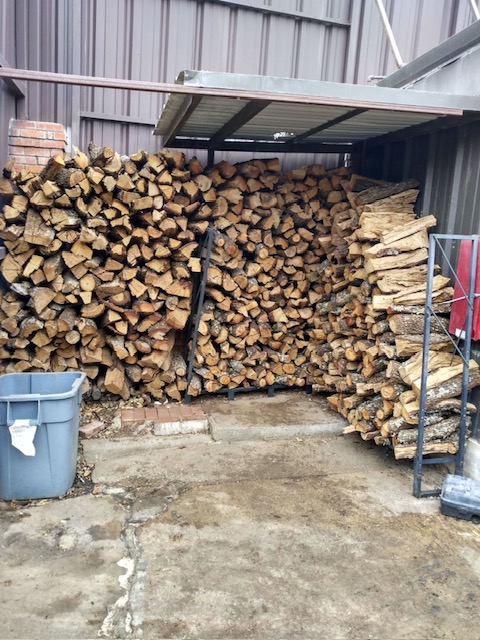
When winter approaches and fireplaces start to crackle, the last thing anyone wants is damp, moldy, or bug-infested firewood. Proper storage methods can mean the difference between cozy evenings by the fire and frustration as wood refuses to burn. Whether you rely on wood as a primary heating source or simply love the ambiance it provides, stacking firewood properly is essential for keeping it dry, safe, and ready to use all season long. Here is everything you need to know about firewood storage, from choosing the right spot to learning how to cover firewood for maximum protection.
The Importance of Seasoning Wood Outdoors
Seasoning refers to the process of drying out firewood until it reaches a moisture content low enough to burn efficiently. Freshly cut, or “green,” wood contains up to 50 percent water. Burning it leads to excessive smoke, poor heat output, and creosote buildup in chimneys. To avoid this, firewood should be seasoned for at least six to twelve months depending on the wood type.
Seasoning wood outdoors is critical because airflow and sunlight are your best tools for reducing moisture content. Splitting the logs increases the surface area and allows them to dry faster. Once split, the wood should be stacked in a location where it will receive plenty of sun exposure and wind circulation. The more contact it has with moving air, the more efficiently it will season. Never store green wood in enclosed spaces like sheds or garages, as this will trap moisture and foster mold.
Dry firewood not only lights faster but also burns hotter and cleaner. Properly seasoned wood will have grayish ends, visible cracks, and will sound hollow when knocked together. When you take the time to season it correctly, you ensure efficient combustion and better indoor air quality during the winter months.
Best Practices for Stacking Firewood Properly
Once the wood is seasoned or in the process of drying, how you stack it plays a vital role in maintaining dryness and keeping it ready for use. Stacking firewood properly is about more than just piling it up. It involves creating stable, elevated stacks that promote air movement and discourage moisture absorption.
The woodpile should always be raised off the ground. Direct contact with soil invites rot, insects, and mold. Use a firewood rack, pallets, or even treated lumber to create a sturdy base. Each piece should be placed bark-side up if the wood is still drying, since the bark acts like a natural shield. For fully seasoned wood, bark-side down may help retain dryness.
Keep the stack compact and even, but avoid stacking too tightly. Gaps between the logs allow air to flow through the pile and carry away moisture. Stack in single rows whenever possible, especially if the wood is still drying. Round or criss-cross stacking styles can be used for decorative appeal but may restrict airflow if done improperly.
Avoid stacking against a wall without space for ventilation. If using a building for support, leave a few inches of clearance to allow air movement. And always build your stack with safety in mind: unstable piles can topple over, especially when people or pets are nearby.
Firewood Rack Placement for Optimal Dryness
Firewood rack placement can greatly impact how well your wood stays dry during the winter. The goal is to choose a location that maximizes sun exposure and allows wind to pass through freely. Ideally, place the rack in a southern-facing area where sunlight is strongest throughout the day.
Avoid shady, damp locations near trees or fences. These areas tend to retain moisture and restrict airflow. A freestanding rack in an open space will dry faster and is less prone to fungal growth or insect invasion. Be cautious when placing a firewood rack near your home. While it may be convenient, it can invite pests into your living space and limit ventilation. If you do choose to place it near your house, ensure it’s at least a foot away from exterior walls.
The ground beneath the rack also matters. Gravel or concrete is preferable to dirt, which can become soggy and promote mold growth. If placing it on grass or soil is unavoidable, make sure to elevate the rack higher to allow air to circulate underneath.
A well-placed firewood rack will not only extend the life of your wood but also save time and effort in future winters. Taking the time to find the right spot can prevent countless issues down the line.
How to Cover Firewood Without Trapping Moisture
Protecting firewood from rain and snow is essential, but improper covering techniques can do more harm than good. The goal is to shield the wood from precipitation while still allowing it to breathe. Learning how to cover firewood properly is all about balance.
The best method is to cover only the top of the stack, leaving the sides open for airflow. Use a tarp, metal roofing sheet, or a dedicated firewood cover, and secure it tightly so it does not blow off during storms. Avoid plastic sheeting that wraps around the pile, as this can trap humidity and lead to mold growth.
If you live in an area with frequent snowfall, angle your cover so that snow can slide off rather than accumulate. Weighted objects like bricks or bungee cords can help keep the cover in place without sealing the sides.
Consider building a simple lean-to or firewood shed with a roof and open walls. This offers long-term protection while supporting ventilation. No matter the method, avoid letting moisture pool at the base of the pile. Make sure the ground beneath is dry and well-drained.
Covering firewood is especially important once it is fully seasoned. Dry wood can reabsorb moisture if left unprotected, making your hard work go to waste. With the right approach, your wood will stay dry, efficient, and ready to burn.
Keeping Pests Out of Firewood
Woodpiles can be magnets for pests such as termites, ants, spiders, and rodents. These unwanted guests can hitch a ride into your home when you bring logs inside or cause damage to your property if stored too close. Fortunately, a few strategic steps can reduce the risk of infestation.
First, keep your firewood stack at least twenty feet away from your home if possible. This minimizes the chance that insects will migrate indoors. Always inspect logs before bringing them inside, and store only small amounts indoors to limit exposure.
Split wood burns cleaner and deters pests, as insects prefer the cool, moist environment of unsplit logs. Use older wood first, and rotate the pile regularly to discourage nesting.
Never spray insecticide on firewood. These chemicals release harmful fumes when burned and are unsafe for indoor air quality. Instead, focus on prevention. Elevating your stack and maintaining dry conditions will make the environment less attractive to pests.
Stacking firewood properly, choosing a dry and sunny location, and using the right cover will all help limit infestations. Stay vigilant, and your firewood will stay clean, safe, and pest-free throughout the winter.
Conclusion
Storing firewood properly is a seasonal ritual that pays dividends all winter long. From the moment wood is split, every decision you make affects its quality and performance. Seasoning wood outdoors allows it to dry naturally, while stacking it correctly ensures stability and airflow. Firewood rack placement can accelerate drying and prevent mold, and learning how to cover firewood effectively keeps rain and snow at bay. Finally, with a few proactive steps, you can keep pests out of firewood and protect your home and health.
By dedicating time and attention to how your firewood is handled, you set yourself up for a warm, efficient, and stress-free winter. Dry, seasoned, and well-stored wood ignites quickly, burns longer, and provides the consistent heat that makes cold nights a pleasure rather than a problem. With the right practices in place, you can enjoy the rewards of your labor every time you light a fire.
Need Firewood in Lubbock, TX?
Here at Freedom Firewood in Lubbock, Texas, we take pride in offering a diverse selection of premium, fully seasoned, and ready-to-burn firewood to meet all your needs. Whether you’re looking for oak, hickory, mesquite, pecan, New Mexico pine, pinion pine, or a mixed variety, we have you covered. From one cord to a quarter cord, apartment stacks, and even convenient pre-bagged firewood, we provide the right quantity for you. Plus, with our local and long-distance delivery services, getting your firewood has never been easier. Contact us today to experience the warmth and quality of Freedom Firewood!