

What is a Face Cord vs. a Full Cord of Firewood (And Which Do You Need)?
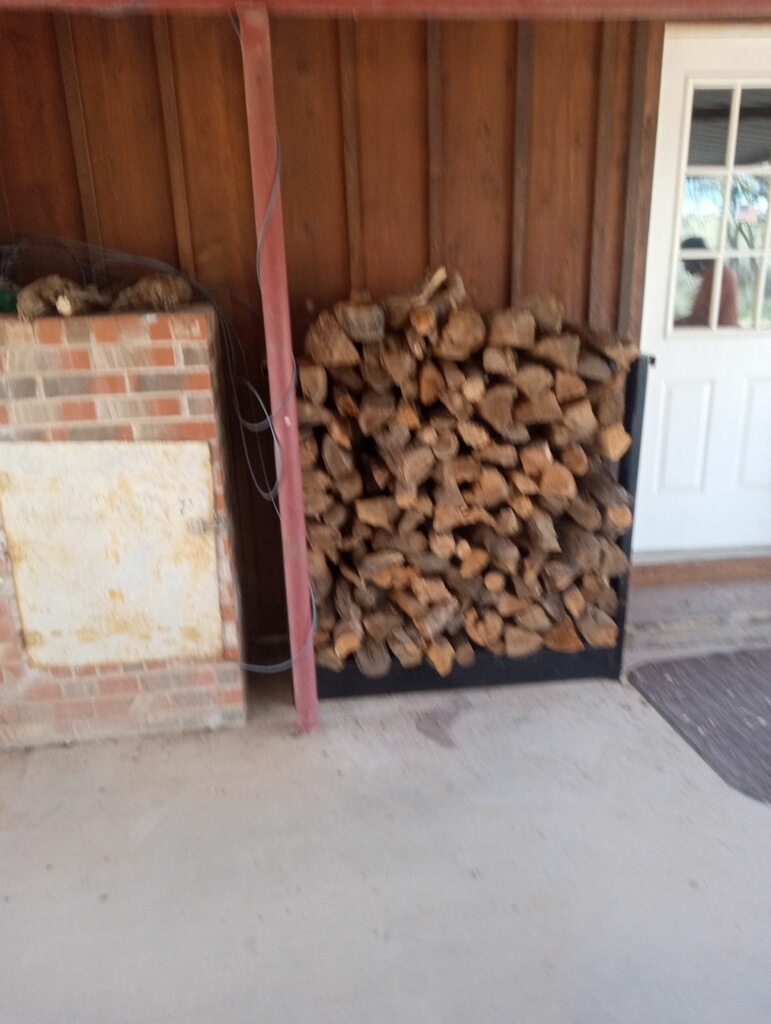
When colder months roll in, firewood becomes a staple for many households, especially those relying on wood-burning stoves or fireplaces for warmth. If you are new to buying firewood in bulk, you may come across various terms and measurements that can be confusing. Among the most commonly misunderstood are “face cord” and “full cord.” Understanding the differences between these terms is crucial for making an informed purchase and ensuring you get what you pay for. In this guide, we will explore firewood measurements, the dimensions of a cord of wood, and which option is best for your needs.
Understanding Firewood Measurements
Firewood is typically sold by volume, and while it may seem straightforward, different regions and suppliers use different terminology. The most standard measurement in the firewood industry is the “cord.” However, within that broad category, there are variations like face cords, half cords, and even wood sold by truckload or by weight in some areas.
A full cord is a legal unit of measurement in many states and is generally considered the industry standard. On the other hand, a face cord is more of a colloquial term that varies depending on local practices and vendor preferences. Knowing how to compare these measurements is important to avoid paying for less firewood than you think you are getting. If you are buying firewood in bulk, always ask the supplier to clarify their measurements and stack the wood for accurate volume assessment.
What is a Face Cord?
A face cord, sometimes called a rick or a rack of wood, is a stack of firewood that measures 4 feet high and 8 feet long, but the depth can vary. This means a face cord only refers to the front face of a stack of wood, not the total volume. Typically, the depth is based on the length of the firewood pieces, which are often cut to 16 inches to fit standard fireplaces and stoves.
Because the depth can change depending on the firewood length, the total volume of a face cord is less than that of a full cord. For example, if each piece of firewood is 16 inches long, then the depth is approximately one-third of a full cord. That makes a face cord roughly 42.6 cubic feet, compared to a full cord’s 128 cubic feet.
This discrepancy makes it essential to clarify what kind of cord you are purchasing. Some vendors might advertise a face cord without noting that it contains significantly less wood than a full cord. Always ask about the exact cord of wood dimensions and confirm how the face cord is measured.
What is a Full Cord of Firewood?
A full cord, also known simply as a cord, is a well-defined and standardized measurement. It is a neatly stacked pile of wood measuring 4 feet high, 4 feet deep, and 8 feet long. When the firewood is tightly stacked with minimal air space between the logs, this volume equals 128 cubic feet.
Because a full cord is consistent and regulated in many areas, it is the most reliable measure for comparing firewood prices. When buying firewood in bulk, purchasing by the full cord gives you the best value in terms of volume and cost. It also allows for easier budgeting and comparison between suppliers.
However, due to its larger size, a full cord might be more than some homeowners need or can store. Wood needs to be kept dry and ventilated, and if you do not have sufficient storage space, you may want to consider alternatives like a face cord or a half cord.
Face Cord vs. Full Cord: Key Differences
The key difference between a face cord and a full cord lies in the depth of the stack. While both are typically 4 feet high and 8 feet long, a full cord is 4 feet deep, whereas a face cord is usually only 16 to 24 inches deep. This means a face cord contains significantly less wood than a full cord.
To put it into perspective, it generally takes three face cords (with 16-inch logs) to equal one full cord. This is a crucial detail when comparing prices. A face cord might seem like a good deal at first glance, but unless you understand the cord of wood dimensions, you could end up paying more per cubic foot of wood.
Another important factor is regional terminology. Some sellers may refer to a face cord as a “cord,” which can be misleading. Always verify the actual dimensions and volume of the stack you are buying. This ensures that you are not only getting your money’s worth but also receiving the amount of firewood you need to last through the cold season.
Which Type of Firewood Cord Do You Need?
Deciding between a face cord and a full cord depends on several factors, including how much wood you burn, how often you use your fireplace or stove, and the space you have for storage. If you heat your home primarily with wood, or if you have a wood-burning furnace, a full cord may be your best option. It provides enough fuel for regular use and is generally more cost-effective when bought in bulk.
On the other hand, if you only use your fireplace occasionally, a face cord might be sufficient. It takes up less space and is easier to handle, especially for those without large storage areas. It is also a good option if you want to try out a new wood supplier before committing to a larger purchase.
Whether you opt for a face cord or a full cord, make sure the firewood is seasoned and properly dried. Green or freshly cut wood has a higher moisture content, which can lead to poor combustion and creosote buildup in your chimney. Seasoned firewood burns hotter, cleaner, and more efficiently, making it a better choice for both safety and performance.
Conclusion
Understanding firewood measurements like face cords and full cords is essential when buying firewood in bulk. A face cord might be suitable for occasional use or limited storage, but it contains significantly less wood than a full cord. The full cord remains the industry standard and offers better value for those who rely on wood for consistent heating.
Before making a purchase, always verify the dimensions and clarify the terms with your supplier. Knowing what is a face cord and the actual cord of wood dimensions helps you avoid confusion and ensures you get exactly what you need for a warm, safe winter. Whether you choose a face cord or a full cord, your decision should align with your heating habits, storage capacity, and budget. Making an informed choice will help you stay cozy and make the most of your firewood investment.
Need Firewood in Lubbock, TX?
Here at Freedom Firewood in Lubbock, Texas, we take pride in offering a diverse selection of premium, fully seasoned, and ready-to-burn firewood to meet all your needs. Whether you’re looking for oak, hickory, mesquite, pecan, New Mexico pine, pinion pine, or a mixed variety, we have you covered. From one cord to a quarter cord, apartment stacks, and even convenient pre-bagged firewood, we provide the right quantity for you. Plus, with our local and long-distance delivery services, getting your firewood has never been easier. Contact us today to experience the warmth and quality of Freedom Firewood!