

The Science of a Perfect Burn: Why Hardwood Density Matters for Your West Texas Fire Pit
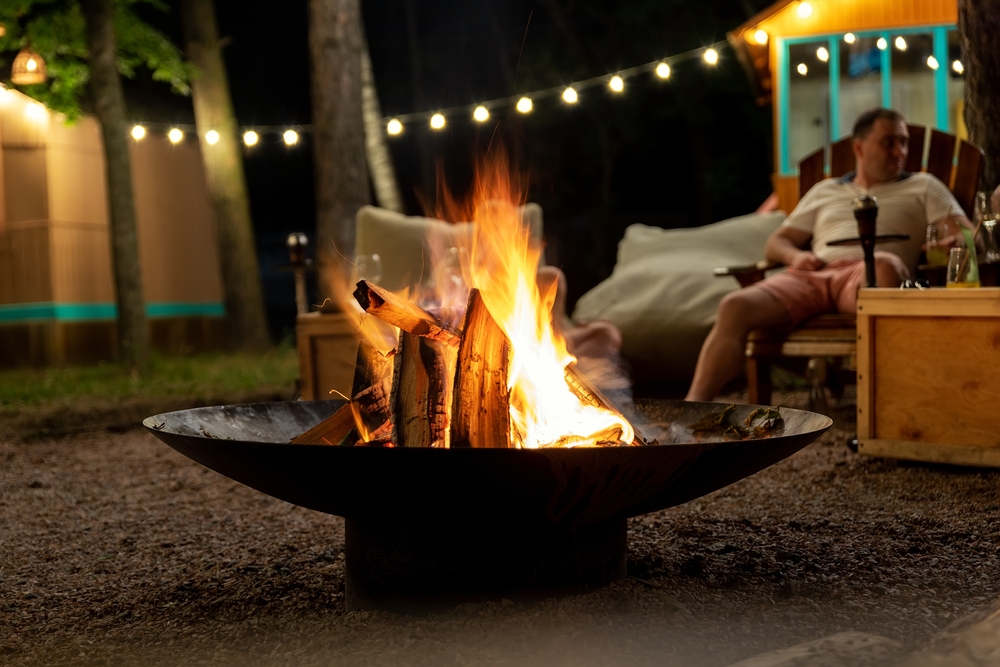
There is nothing quite like gathering around a fire pit on a cool West Texas evening. Whether you are entertaining friends, relaxing after a long day, or enjoying the wide-open skies across Midland, Odessa, Big Spring, or San Angelo, the quality of your fire depends on more than just lighting a match. The type of firewood you choose plays a major role in how long your fire lasts, how much heat it produces, and how much cleanup you will have afterward.
Quick Answer
Hardwood density directly affects how efficiently firewood burns. Dense hardwoods contain more energy per piece, which means they burn hotter, last longer, produce steadier coals, and typically create less smoke when properly seasoned. For homeowners and outdoor enthusiasts across West Texas, choosing dense hardwood firewood can make every fire pit experience more enjoyable and efficient.
What West Texas Fire Pit Owners Should Know
- Dense hardwoods provide longer-lasting fires, reducing the need to constantly add more wood.
- Properly seasoned hardwood produces less smoke, which is especially helpful during calm evenings common across the Permian Basin.
- West Texas winds can make maintaining a fire more challenging, so longer-burning hardwoods offer better consistency.
- Hardwood creates a stable bed of coals that is ideal for outdoor cooking, roasting marshmallows, or simply extending your evening outdoors.
- Selecting quality firewood helps reduce excess ash and makes cleanup much easier after your gathering.
Why Hardwood Density Matters in West Texas
Hardwood density matters because it determines how much energy is stored within each log. Trees that grow slowly develop tighter wood fibers, allowing them to produce more heat over a longer period compared to softer woods.
In West Texas, outdoor living is part of the lifestyle for much of the year. Even during cooler months, residents throughout Midland County, Ector County, Martin County, Andrews, and Stanton enjoy backyard fire pits for family gatherings and outdoor entertaining. Choosing the right firewood helps create a comfortable fire that stands up to changing temperatures and occasional breezy conditions.
At Freedom Firewood, we understand that not all firewood performs the same. We focus on providing quality firewood that helps our customers enjoy cleaner, longer-lasting fires throughout the region.
Understanding Hardwood Density
Hardwood density refers to how much solid wood exists within a given volume. Dense hardwood species contain tightly packed fibers, allowing them to release more heat over a longer burn.
Generally speaking, denser hardwoods offer several advantages:
- Longer burn times
- Higher heat output
- More consistent flames
- Better coal production
- Less frequent refueling
Softwoods tend to ignite quickly but burn much faster. While they may be useful for starting a fire, they are often less effective for maintaining a comfortable fire pit throughout the evening.
Professional Field Observation
From years of serving customers throughout West Texas, one of the most common observations is that people often assume all firewood performs similarly. In reality, homeowners quickly notice the difference once they experience properly seasoned dense hardwood. Fires require less attention, produce more consistent heat, and leave behind fewer partially burned logs.
How Hardwood Density Impacts Your Fire Pit Experience
Dense hardwood affects nearly every aspect of your outdoor fire.
Longer Burn Time
Because dense wood contains more combustible material, each log burns more slowly. This allows you to spend more time enjoying the fire instead of constantly adding more wood.
Greater Heat Output
Dense hardwood releases more stored energy as it burns. This produces stronger radiant heat, making outdoor gatherings more comfortable during chilly West Texas evenings.
Better Coal Bed
High-density hardwood produces long-lasting coals that continue generating heat even after visible flames have diminished. This makes hardwood an excellent choice for outdoor cooking or extended fires.
Cleaner Burning
When hardwood has been properly seasoned, it burns more completely. That means less smoke, less excess moisture, and less ash compared to green or poorly seasoned wood.
Warning Signs You May Be Using Low-Quality Firewood
Several signs indicate your firewood may not be providing the performance you expect.
- The fire requires constant refueling.
- Thick smoke continues long after the fire is established.
- Logs hiss or steam while burning.
- Very little heat reaches people sitting around the fire.
- The fire struggles to stay lit.
- Large amounts of ash remain after the fire burns out.
- Logs appear damp or unusually heavy.
These symptoms often point to lower-density wood, improperly seasoned wood, or excessive moisture content.
Common Causes of Poor Fire Performance
Several factors affect how well firewood burns in West Texas.
Wet or Unseasoned Wood
Fresh-cut wood contains significant moisture. Much of the fire’s energy is spent evaporating water instead of producing heat.
Lower Density Wood
Less dense wood naturally burns more quickly and generates less lasting heat.
Improper Storage
Even quality hardwood can absorb moisture if left uncovered or stored directly on the ground.
Wind Exposure
West Texas is known for windy conditions. Wind can increase burn rates, making dense hardwood especially valuable because it provides greater stability throughout the fire.
Prevention and Maintenance
A few simple habits help maximize every fire pit experience.
- Store firewood off the ground.
- Keep wood covered while allowing airflow.
- Use dry kindling to start the fire.
- Begin with smaller pieces before adding larger hardwood logs.
- Remove excess ash between fires to improve airflow.
- Rotate older firewood to the front of your storage pile.
Proper storage helps preserve the quality of dense hardwood and ensures it remains ready to burn whenever you need it.
What Results Should You Expect?
Choosing dense, seasoned hardwood typically results in:
- Longer fires with fewer logs
- Steadier heat throughout the evening
- Reduced smoke once the fire is established
- Better cooking coals
- Less cleanup afterward
- A more enjoyable outdoor gathering overall
While every fire varies depending on weather conditions and fire pit design, quality hardwood consistently improves performance.
Common Mistakes
Mistake: Buying Firewood Based Only on Price
Consequence: Lower-cost wood may burn much faster, requiring more wood over the course of the evening.
Better Approach: Consider overall burn time and heat output rather than the initial purchase price alone.
Mistake: Burning Fresh-Cut Wood
Consequence: Wet wood creates more smoke and less usable heat.
Better Approach: Choose properly seasoned firewood that has had sufficient time to dry.
Mistake: Overloading the Fire Pit
Consequence: Too much wood reduces airflow and can create excessive smoke.
Better Approach: Build the fire gradually, allowing each layer to burn efficiently.
Common West Texas Scenario
A family in the Midland-Odessa area plans a backyard gathering during a cool fall weekend. They begin with dry kindling and add dense, seasoned hardwood. Instead of continually feeding the fire throughout the evening, the fire burns steadily for hours, providing comfortable warmth while creating an excellent bed of coals for roasting food and enjoying conversation.
Related Firewood Solutions
Different outdoor activities benefit from different firewood characteristics.
- Fire pit wood for relaxing backyard evenings
- Cooking firewood that creates long-lasting coals
- Fireplace firewood for indoor heating
- Bulk firewood deliveries for homeowners preparing for cooler weather
Comparing Your Options
| Option | Advantages | Considerations |
|---|---|---|
| Dense seasoned hardwood | Longer burn, higher heat, fewer refills | Requires proper seasoning and storage |
| Lower-density wood | Lights quickly | Burns faster and produces less lasting heat |
| Green firewood | Recently cut | More smoke, less heat, difficult to burn efficiently |
Service Areas
We proudly serve customers throughout West Texas, including Midland, Odessa, Big Spring, Stanton, Andrews, and surrounding communities across the Permian Basin. Whether you are preparing for backyard entertaining or stocking up for cooler weather, quality firewood makes every fire more enjoyable.
The Cost of Ignoring Firewood Quality
Choosing poor-quality firewood can lead to shorter fires, more smoke, increased cleanup, and greater overall wood consumption. Investing in properly seasoned dense hardwood often provides a better experience while helping you use fewer logs throughout the evening.
Frequently Asked Questions
Why does hardwood burn longer than softwood?
Dense hardwood contains tightly packed wood fibers that store more energy. This allows each log to burn more slowly while producing steady heat over a longer period.
Is hardwood better for fire pits in Midland?
Yes. Hardwood is well suited for Midland because longer burn times help maintain comfortable fires despite the area’s occasional breezy conditions.
Does hardwood create less smoke?
Yes, properly seasoned hardwood generally produces less smoke because it contains less moisture and burns more completely than freshly cut wood.
How should I store firewood in West Texas?
Store firewood off the ground with good airflow and protection from rain. Proper storage helps maintain dryness despite changing weather conditions across West Texas.
Why are long-lasting coals important?
Long-lasting coals provide steady heat even after flames decrease. This makes outdoor cooking easier and allows fire pit gatherings to continue comfortably.
How can I tell if firewood is seasoned?
Seasoned firewood is typically lighter than freshly cut wood, has visible cracks on the ends, and produces a solid sound when two pieces are struck together.
Enjoy Better Fires Throughout West Texas
Understanding hardwood density helps you make smarter firewood choices that improve every outdoor gathering. Longer burn times, stronger heat, cleaner combustion, and better coals all begin with selecting quality firewood that is properly seasoned and ready to perform.
Build Longer-Lasting Fires with Quality Firewood
The right firewood helps create warmer evenings, easier entertaining, and less time tending the fire.