

The Ultimate Guide to West Texas BBQ: How to Choose Between Mesquite, Pecan, and Oak Firewood
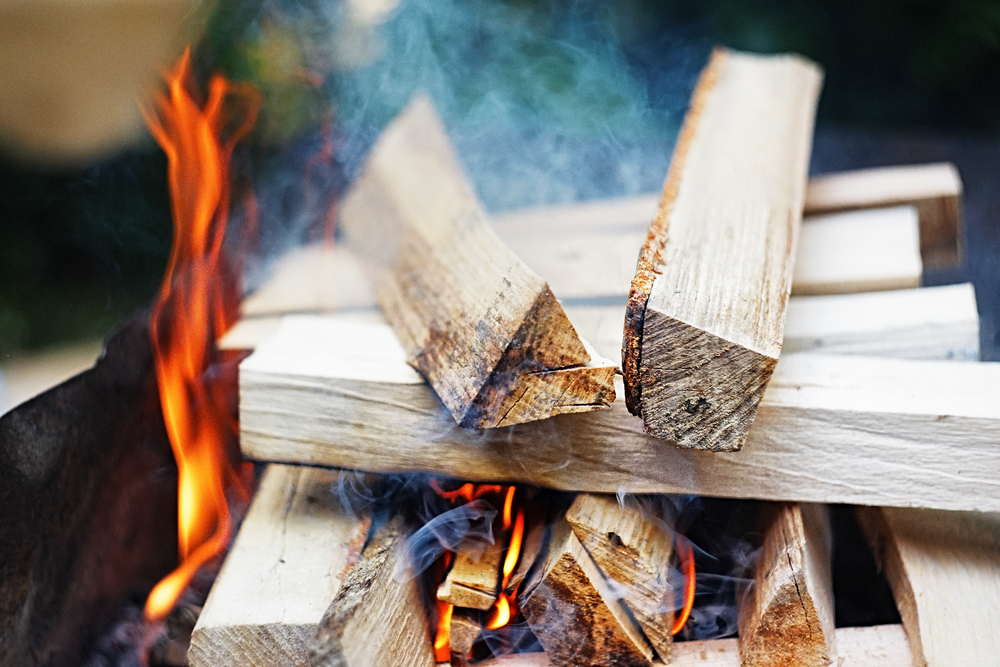
Nothing says West Texas quite like gathering around a smoker with family and friends while the aroma of slow-cooked barbecue fills the air. Whether you’re cooking brisket in Midland, smoking ribs in Odessa, or hosting a backyard cookout anywhere across the Permian Basin, your choice of firewood has a direct impact on flavor, temperature control, and the overall success of your barbecue.
Choosing the right firewood isn’t just about preference. West Texas pitmasters often select mesquite, pecan, or oak based on the type of meat they’re cooking, the cooking time, and the flavor they want to achieve. Understanding the strengths of each wood helps you create consistently delicious barbecue while getting the most from your smoker.
Quick Answer
Mesquite, pecan, and oak each bring unique qualities to West Texas barbecue. Mesquite produces an intense, earthy smoke that’s ideal for beef and shorter cooks. Pecan delivers a milder, slightly sweet smoke that complements pork, poultry, and even vegetables. Oak offers a balanced, versatile flavor with steady heat, making it one of the most popular choices for long smoking sessions and a wide variety of meats.
What West Texas BBQ Fans Should Know
- Mesquite burns hot and fast, making it perfect for grilling steaks and smoking brisket when used with care.
- Pecan provides a smooth, slightly nutty smoke that enhances pork shoulders, ribs, chicken, and turkey without overpowering the meat.
- Oak offers consistent heat and moderate smoke, making it an excellent all-around firewood for beginners and experienced pitmasters alike.
- Dry, properly seasoned firewood performs better in the dry climate found throughout Midland, Odessa, Big Spring, and the surrounding Permian Basin.
- Windy West Texas conditions can affect smoker temperatures, making quality firewood even more important for maintaining consistent cooking results.
Why This Matters in West Texas
Choosing the right firewood matters because West Texas barbecue traditions are built around slow cooking over real wood fires. The region’s dry climate helps properly seasoned firewood stay ready for use, but it also means wood stored incorrectly can become overly dry or collect dust if left uncovered.
Local pitmasters know that brisket remains king throughout the Permian Basin, making mesquite and oak common favorites. At Freedom Firewood, we help customers choose seasoned firewood that fits their cooking style so they can enjoy better flavor and more consistent results every time they fire up the smoker.
Understanding Mesquite Firewood
Mesquite is the signature wood of Texas barbecue because it produces bold smoke and exceptional heat. Native throughout much of West Texas, mesquite has become closely associated with traditional brisket and steak cooking.
Mesquite works best when you’re cooking:
- Beef brisket
- Steaks
- Beef ribs
- Tri-tip
- Burgers
The smoke flavor is strong, earthy, and slightly sweet with a distinctive Texas character. Because mesquite burns hotter than many hardwoods, it can quickly produce too much smoke if large amounts are added at once.
Many experienced pitmasters use mesquite in moderation during long smoking sessions, especially for brisket cooks lasting 10 to 14 hours.
Why Pecan Is a Favorite for Balanced Flavor
Pecan provides a milder smoke that adds depth without overwhelming delicate meats. As a member of the hickory family, pecan offers rich flavor while remaining noticeably smoother than mesquite.
Pecan pairs especially well with:
- Pork ribs
- Pork shoulder
- Chicken
- Turkey
- Sausage
- Vegetables
Its subtle sweetness also makes pecan a great choice for backyard cooks who enjoy experimenting with different recipes. Because the smoke isn’t overpowering, it’s more forgiving for beginners learning fire management.
Many barbecue enthusiasts also blend pecan with oak to create a balanced smoke profile for longer cooks.
Why Oak Is the Most Versatile Firewood
Oak is one of the easiest woods to recommend because it delivers reliable heat and moderate smoke for nearly every type of barbecue.
Oak works well for:
- Brisket
- Pork
- Chicken
- Sausage
- Lamb
- Mixed meat cooks
One of oak’s biggest advantages is its steady burn. Instead of producing quick bursts of heat, seasoned oak burns consistently, helping maintain stable smoker temperatures for extended periods.
For homeowners throughout Midland County, Ector County, and nearby communities, oak is often an excellent everyday firewood choice whether using an offset smoker, barrel smoker, or traditional barbecue pit.
Professional Field Observation
One common observation among experienced firewood suppliers is that barbecue results improve significantly when customers use properly seasoned hardwood rather than freshly cut wood.
Green firewood contains excess moisture that creates more steam than smoke. This can make it difficult to maintain cooking temperatures and often produces undesirable flavors.
Seasoned hardwood burns cleaner, lights more easily, and provides the consistent heat needed for successful low-and-slow cooking.
How Firewood Choice Affects Your BBQ
The wood you choose influences several aspects of your barbecue:
Smoke Flavor
Different hardwoods create distinct smoke profiles that enhance different meats.
Heat Production
Some woods burn hotter than others, affecting cooking times and fire management.
Burn Time
Dense hardwoods like oak generally burn longer, reducing the need for constant refueling.
Smoke Intensity
A stronger smoke isn’t always better. Matching smoke intensity to the meat often produces the best results.
Warning Signs You’re Using Poor Firewood
Watch for these signs before starting your next cook:
- Wood feels unusually heavy from excess moisture.
- Fire produces thick white smoke for extended periods.
- Logs hiss or bubble while burning.
- Fire struggles to stay lit.
- Food develops an overly bitter smoke flavor.
- Excess creosote builds inside the smoker.
- Temperature fluctuates constantly despite careful fire management.
When to Buy Firewood from a Professional Supplier
Buying from a professional supplier helps ensure you’re getting properly seasoned hardwood that’s ready for cooking.
A quality supplier can also help you:
- Choose the right species for your cooking style.
- Select properly sized splits for your smoker.
- Avoid wood that’s too green or partially rotted.
- Purchase enough wood for long smoking sessions.
Common Causes of Poor BBQ Results
Several firewood-related issues can affect your barbecue.
Using Green Wood
Moisture creates excessive smoke and inconsistent temperatures.
Mixing Too Many Wood Types
Combining several hardwoods without a plan can create confusing smoke flavors.
Overusing Mesquite
Because mesquite is powerful, excessive amounts may overpower pork or poultry.
Poor Fire Management
Adding large logs too frequently can create temperature swings during long cooks.
Firewood Storage Tips
Proper storage helps preserve firewood quality.
- Keep stacks off the ground.
- Cover the top while leaving the sides open for airflow.
- Store wood in a dry location protected from standing water.
- Rotate older wood forward so it’s used first.
- Avoid stacking directly against exterior walls where moisture can become trapped.
What to Expect from Quality BBQ Firewood
Properly seasoned hardwood should:
- Ignite easily.
- Produce clean blue smoke after the fire stabilizes.
- Maintain consistent cooking temperatures.
- Deliver predictable smoke flavor.
- Require fewer adjustments throughout the cook.
Common Mistakes
Mistake: Choosing wood based only on price.
Consequence: Lower-quality wood may produce inconsistent results.
Better approach: Buy seasoned hardwood suited to your preferred meats.
Mistake: Using only mesquite for every recipe.
Consequence: Delicate meats can become overly smoky.
Better approach: Match the wood species to the food you’re preparing.
Mistake: Cooking with wet firewood.
Consequence: Temperature control becomes difficult.
Better approach: Use properly seasoned hardwood that’s ready to burn.
A Common West Texas BBQ Scenario
Imagine preparing a brisket for a weekend gathering in Odessa. You start the cook with oak for stable overnight heat, then introduce small amounts of mesquite later to build classic Texas smoke flavor without overpowering the meat. This combination provides excellent temperature control while delivering the bold taste many West Texas barbecue fans appreciate.
Related Firewood Solutions
Different cooking styles benefit from different firewood options.
- Mesquite for authentic Texas brisket and steaks.
- Oak for everyday smoking and long barbecue sessions.
- Pecan for pork, poultry, and balanced smoke flavor.
- Mixed hardwood options for pitmasters seeking customized flavor profiles.
Comparing Your Options
| Firewood | Flavor | Heat | Best For |
|---|---|---|---|
| Mesquite | Bold, earthy | Very High | Brisket, steaks, beef |
| Pecan | Mild, sweet | Medium | Pork, poultry, vegetables |
| Oak | Balanced | High and steady | Nearly all barbecue meats |
Service Areas
We proudly serve customers throughout Midland, Odessa, the Permian Basin, and surrounding West Texas communities. Whether you’re preparing for competition barbecue or a backyard family cookout, quality seasoned firewood helps every cook start strong.
The Cost of Choosing the Wrong Firewood
Poor-quality firewood can lead to inconsistent temperatures, wasted cooking time, unpleasant smoke flavors, and disappointing barbecue results. Investing in properly seasoned hardwood helps protect both your time and your meal.
Frequently Asked Questions
Is mesquite always the best choice for brisket in West Texas?
Yes, mesquite is a classic choice for brisket throughout West Texas because it delivers the bold smoke flavor many traditional pitmasters prefer. Many cooks also blend it with oak for longer smoking sessions.
Which firewood is best for beginners?
Oak is generally the easiest hardwood for beginners because it burns steadily, provides moderate smoke, and works well with nearly every type of meat.
Can I mix mesquite and pecan?
Yes. Many barbecue enthusiasts blend mesquite and pecan to balance bold smoke with a touch of sweetness, especially when cooking pork or chicken.
Does seasoned firewood make a difference?
Yes. Properly seasoned hardwood burns cleaner, produces better smoke, and maintains more consistent cooking temperatures than freshly cut wood.
What wood works best for chicken in the Permian Basin?
Pecan is often an excellent choice because its lighter smoke complements poultry without overpowering it.
How should I store barbecue firewood in West Texas?
Keep firewood elevated, protected from rain, and exposed to airflow. The dry climate across Midland and surrounding communities helps maintain seasoned wood when it’s stored correctly.
Ready to Elevate Your West Texas BBQ?
Great barbecue starts with quality firewood. Whether you prefer the bold character of mesquite, the smooth sweetness of pecan, or the versatility of oak, choosing properly seasoned hardwood helps you get the best results from every cook.